



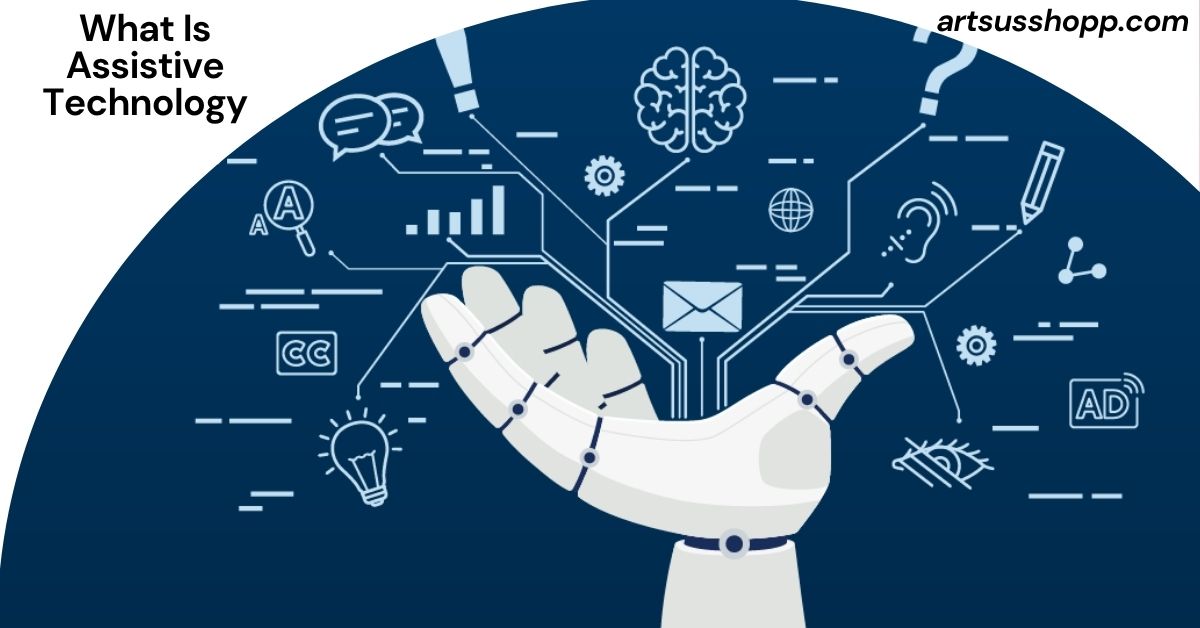
What Is Assistive Technology? Complete Guide for 2026
Technology has changed the way people live, work, learn, and communicate. For millions of people with disabilities, technology does much more than provide convenience. It creates independence, confidence, equal access, and better opportunities in daily life. This is where assistive technology becomes important.
If you have ever asked, “what is assistive technology,” the simple answer is that it includes tools, devices, software, and systems designed to help people with disabilities perform tasks more easily and independently.
Assistive technology can be something very simple, like a magnifying glass for someone with low vision, or something advanced, like speech-generating software that helps a person communicate. These technologies improve education, employment, healthcare, transportation, communication, and overall quality of life.
Today, assistive technology is growing rapidly because of artificial intelligence, smart devices, cloud computing, wearable tools, and voice recognition systems. Schools, workplaces, healthcare organizations, and governments across the United States are investing more in assistive technologies to create inclusive environments.
This complete guide explains everything you need to know about what is assistive technology, including its types, benefits, examples, uses in education and work, future trends, legal rights, challenges, and expert insights.
What Is Assistive Technology?
Assistive technology refers to any item, equipment, software, application, or system that helps individuals with disabilities improve their functional abilities.
The term includes both high-tech and low-tech solutions. Some assistive technologies are electronic and advanced, while others are basic tools used every day.
The official definition used in the United States under the Assistive Technology Act describes assistive technology as any product, equipment, or system used to increase, maintain, or improve the functional capabilities of individuals with disabilities.

In simple words, assistive technology helps people do things that may otherwise be difficult or impossible.
Examples include:
- Screen readers for blind users
- Hearing aids for people with hearing loss
- Wheelchairs for mobility support
- Voice typing software
- Text-to-speech tools
- Braille displays
- Adaptive keyboards
- Communication devices
- Smart home accessibility systems
Assistive technology is used by children, adults, and seniors in homes, schools, hospitals, workplaces, and public places.
Why Assistive Technology Matters
Assistive technology is important because it gives people equal opportunities. It allows individuals with disabilities to participate more fully in society.
Without assistive technology, many people face barriers in communication, learning, transportation, and employment. With the right tools, these barriers become smaller.
Assistive technology supports:
- Independent living
- Better education access
- Improved workplace productivity
- Easier communication
- Increased confidence
- Social inclusion
- Safer daily activities
- Better mental health
For example, a student with dyslexia can use text-to-speech software to understand lessons more easily. A worker with limited hand movement can use voice commands instead of typing. A person with hearing loss can use captioning tools during meetings.
Also Read: What Does IT Stand for in Technology? A Complete Beginner-Friendly Guide
These solutions do not only help people with disabilities. They also create a more inclusive society for everyone.
Main Types of Assistive Technology
There are many categories of assistive technologies. Each type supports different needs.
Mobility Assistive Technology
Mobility assistive technology helps people move safely and independently.
Examples include:
- Manual wheelchairs
- Power wheelchairs
- Walkers
- Canes
- Crutches
- Stair lifts
- Mobility scooters
- Prosthetic limbs
- Smart navigation devices
Modern mobility devices often include GPS tracking, obstacle detection, and smartphone connectivity.
Vision Assistive Technology
Vision assistive technology supports people who are blind or have low vision.
Examples include:
- Screen readers
- Braille keyboards
- Braille displays
- Magnification software
- Smart glasses
- OCR text readers
- Audio books
- Voice assistants
- Navigation apps for blind users
Artificial intelligence is improving visual assistance tools. Many apps can now identify objects, read signs, recognize faces, and describe environments in real time.
Hearing Assistive Technology
Hearing assistive technology helps people with hearing loss communicate and understand sounds.
Examples include:
- Hearing aids
- Cochlear implants
- Captioning systems
- FM systems
- Speech-to-text apps
- Video relay services
- Visual alert systems
- Amplified telephones
Real-time captions powered by AI are becoming more accurate and affordable.
Communication Assistive Technology
Communication tools help people who have difficulty speaking or understanding language.
Examples include:
- AAC devices
- Speech-generating devices
- Picture communication boards
- Communication apps
- Eye-tracking systems
- Predictive text software
AAC stands for Augmentative and Alternative Communication.
These technologies are commonly used by individuals with autism, cerebral palsy, stroke-related speech difficulties, and neurological conditions.
Cognitive Assistive Technology
Cognitive assistive technology supports memory, focus, organization, and learning.
Examples include:
- Reminder apps
- Smart planners
- Reading support software
- Visual schedules
- Time management tools
- Focus applications
- AI learning assistants
Students with ADHD, dyslexia, autism, or memory challenges often benefit from these technologies.
Computer Accessibility Tools
Computer accessibility tools make digital devices easier to use.
Examples include:
- Voice recognition software
- Adaptive keyboards
- One-handed mice
- Eye-tracking systems
- Sticky keys
- Switch devices
- Screen magnifiers
Accessibility features are now built into many smartphones and computers.
What Is Assistive Technologies in Education?
Education is one of the biggest areas where assistive technology is used.
Students with disabilities often face learning barriers in traditional classrooms. Assistive technologies help remove these barriers.
Schools in the United States use assistive technology to support students with:
- Dyslexia
- ADHD
- Autism
- Visual impairments
- Hearing impairments
- Physical disabilities
- Speech disorders
- Cognitive disabilities
Examples of Assistive Technology in Education
Educational assistive technology includes:
- Text-to-speech software
- Speech-to-text tools
- Audio textbooks
- Interactive learning apps
- Digital note-taking systems
- Closed captions
- Smart pens
- Screen readers
- Alternative keyboards
Students can learn at their own pace and participate more actively in classrooms.
Benefits for Students
Assistive technology helps students:
- Improve reading and writing skills
- Understand lessons more clearly
- Build confidence
- Complete assignments independently
- Participate in class discussions
- Reduce frustration
- Increase academic performance
Teachers also benefit because they can provide more personalized learning experiences.
Assistive Technology in the Workplace
Workplace accessibility is becoming a major focus for companies across the United States.
Assistive technology allows employees with disabilities to perform tasks effectively and independently.
Examples include:
- Voice recognition software for typing
- Ergonomic workstations
- Screen reading programs
- Captioned video meetings
- Adaptive office equipment
- Accessible software platforms
- Smart communication devices
Remote work has increased demand for digital accessibility tools.
Companies that invest in accessibility often experience:
- Better employee retention
- Improved productivity
- Stronger workplace diversity
- Better company reputation
- Increased innovation
Inclusive workplaces create opportunities for talented individuals who may otherwise face barriers.
Assistive Technology for Older Adults
As people age, they may experience changes in vision, hearing, mobility, or memory.
Assistive technology helps seniors maintain independence and safety.
Popular technologies for older adults include:
- Fall detection systems
- Medication reminder apps
- Smart home assistants
- Large-button phones
- Voice-controlled devices
- Mobility aids
- Health monitoring wearables
Smart home technology is especially useful for aging adults. Voice assistants can control lights, alarms, thermostats, and emergency contacts.
How Artificial Intelligence Is Changing Assistive Technology
Artificial intelligence is transforming assistive technology faster than ever before.
AI-powered systems can learn user behavior, improve accuracy, and provide personalized support.
Examples of AI in assistive technology include:
- Real-time speech recognition
- AI captioning systems
- Image recognition apps for blind users
- Predictive communication software
- Smart hearing aids
- AI tutoring systems
- Emotional recognition tools
AI is making assistive technology more affordable and accessible.
Many smartphones already include advanced accessibility tools powered by machine learning.
Benefits of Assistive Technology
Assistive technology offers life-changing benefits.
Greater Independence
People can perform daily tasks without relying heavily on others.
Improved Communication
Individuals with speech or hearing difficulties can communicate more effectively.
Better Education Outcomes
Students gain equal access to learning materials and classroom participation.
Increased Employment Opportunities
Accessible workplaces help people build successful careers.
Enhanced Mental Health
Greater independence often improves self-esteem and emotional well-being.
Social Inclusion
Assistive technology helps individuals participate more fully in community life.
Improved Safety
Many assistive devices reduce risks and improve personal safety.
Challenges of Assistive Technology
Although assistive technology provides many benefits, there are still challenges.
High Costs
Some advanced devices are expensive.
For example, power wheelchairs, cochlear implants, and specialized communication devices may cost thousands of dollars.
Limited Awareness
Many people do not know which assistive technologies are available.
Training Difficulties
Users may need training to use devices effectively.
Compatibility Problems
Some technologies may not work well with certain systems or software.
Internet Access Issues
Many modern assistive technologies depend on internet connectivity.
Accessibility Gaps
Not all websites, apps, and workplaces are fully accessible.
Despite these challenges, technology companies and governments continue working toward better accessibility solutions.
What Is an Assistive Technology Professional?
An assistive technology professional is a trained specialist who helps people choose, use, and manage assistive technology devices.
These professionals assess individual needs and recommend the best solutions.
Their responsibilities may include:
- Evaluating disabilities and functional challenges
- Recommending suitable devices
- Providing training
- Supporting device setup
- Monitoring user progress
- Coordinating with schools or employers
Assistive technology professionals often work in:
- Schools
- Hospitals
- Rehabilitation centers
- Government agencies
- Private clinics
- Workplace accessibility programs
They play an important role in improving accessibility and independence.
Assistive Technology Laws and Rights in the United States
The United States has several laws that protect accessibility rights.
Americans with Disabilities Act (ADA)
The ADA requires equal access for people with disabilities in public spaces, workplaces, and services.
Individuals with Disabilities Education Act (IDEA)
This law ensures students with disabilities receive appropriate educational support, including assistive technology when needed.
Section 504 of the Rehabilitation Act
This law prevents discrimination against individuals with disabilities in federally funded programs.
Assistive Technology Act
This law supports state programs that improve access to assistive technology devices and services.
These laws help create equal opportunities for millions of Americans.
Real-Life Examples of Assistive Technology
Understanding real-world examples makes it easier to answer the question, “what is assistive technology.”
Example 1: Student With Dyslexia
A student struggles with reading large amounts of text.
Using text-to-speech software allows the student to listen to lessons and complete assignments more confidently.
Example 2: Employee With Limited Mobility
An office worker has difficulty using a traditional keyboard.
Voice recognition software allows the employee to type emails and documents through speech.
Example 3: Blind Smartphone User
A blind user navigates a smartphone using screen reader technology that reads text aloud.
Example 4: Senior Living Alone
A senior uses smart home voice controls to manage lights, reminders, and emergency alerts.
These examples show how assistive technology improves daily life.
Difference Between Assistive Technology and Adaptive Technology
Many people confuse assistive technology and adaptive technology.
Assistive technology is a broad term covering all tools that help individuals with disabilities.
Adaptive technology is a smaller category that refers specifically to modified devices designed for accessibility.
For example:
- A standard speech-to-text app may be considered assistive technology.
- A specially modified keyboard for one-handed use may be adaptive technology.
Both terms are closely related and often used together.
Future Trends in Assistive Technology
The future of assistive technology looks promising.
Several innovations are expected to transform accessibility.
Wearable Technology
Smart glasses, smart hearing devices, and wearable sensors are becoming more advanced.
Brain-Computer Interfaces
Researchers are developing systems that allow users to control devices using brain signals.
AI-Powered Accessibility
Artificial intelligence will continue improving communication, navigation, and personalization.
Smart Homes
Connected homes will become more accessible through automation and voice control.
Robotics
Assistive robots may help with mobility, personal care, and household tasks.
Augmented Reality
AR tools may help people with vision or cognitive challenges navigate environments more easily.
Technology companies are increasingly designing products with accessibility in mind from the beginning.
How to Choose the Right Assistive Technology
Choosing the right assistive technology depends on individual needs.
Identify Specific Challenges
Understand which daily tasks are difficult.
Consider User Comfort
Technology should be comfortable and easy to use.
Check Compatibility
Make sure the device works with existing systems.
Compare Features
Look for features that improve independence and usability.
Think About Budget
Some devices are covered by insurance, schools, or government programs.
Seek Professional Guidance
Assistive technology professionals can recommend suitable solutions.
Trying devices before purchase is often helpful.
What Is Assisted Reproductive Technology?
Some people confuse assistive technology with assisted reproductive technology because the terms sound similar.
However, they are completely different.
What is assisted reproductive technology?
Assisted reproductive technology refers to medical procedures used to help individuals or couples conceive a child.
Examples include:
- In vitro fertilization (IVF)
- Egg donation
- Embryo transfer
- Fertility preservation
What is the purpose of assisted reproductive technology?
The purpose is to help people overcome fertility challenges and achieve pregnancy.
Although the phrase sounds similar to assistive technology, it belongs to the healthcare and fertility field.
Assistive technology focuses on helping people with disabilities improve functional abilities and accessibility.
Accessibility and Inclusive Design
Modern technology companies are focusing more on inclusive design.
Inclusive design means creating products and services that work for as many people as possible.
Instead of adding accessibility later, companies now build accessibility into products from the beginning.
Examples include:
- Smartphones with built-in accessibility features
- Video platforms with automatic captions
- Websites designed for screen readers
- Gaming systems with adaptive controllers
Inclusive design benefits everyone, not only people with disabilities.
For example, captions help users in noisy environments, and voice assistants help drivers keep their hands free.
Best Assistive Technology Tools in 2026
Several technologies are leading the market in accessibility.
Popular Screen Readers
- JAWS
- NVDA
- VoiceOver
Communication Apps
- Proloquo2Go
- Avaz
- TD Snap
Accessibility Features on Smartphones
- Live captions
- Voice control
- Magnifier tools
- Guided access
AI Accessibility Tools
- Real-time translation systems
- AI-powered note taking
- Smart captioning
- Object recognition apps
Technology continues improving quickly each year.
Common Misunderstandings About Assistive Technology
There are several myths about assistive technology.
Myth 1: It Is Only for Severe Disabilities
Reality: Assistive technology supports people with many different needs, including mild disabilities and temporary conditions.
Myth 2: It Is Too Expensive
Reality: Many affordable and free accessibility tools exist today.
Myth 3: Older Adults Cannot Learn New Technology
Reality: Many seniors successfully use smartphones, voice assistants, and accessibility apps.
Myth 4: Accessibility Benefits Only Disabled Users
Reality: Inclusive technology improves usability for everyone.
The Economic Impact of Assistive Technology
Assistive technology also provides economic benefits.
People with disabilities can participate more fully in education and employment.
This increases workforce participation and reduces barriers.
Businesses benefit from:
- Larger talent pools
- Stronger innovation
- Better customer reach
- Improved brand reputation
Governments benefit when more individuals can work independently and contribute to the economy.
The Role of Schools and Employers
Schools and employers have an important responsibility in accessibility.
Schools Should:
- Provide accessible learning materials
- Train teachers on assistive technology
- Support personalized education plans
- Ensure classroom accessibility
Employers Should:
- Offer accessible software and tools
- Provide reasonable accommodations
- Create inclusive hiring practices
- Support accessibility training
Accessibility is not only a legal requirement. It is also a social responsibility.
How Families Can Support Assistive Technology Users
Families play a major role in successful technology use.
Helpful strategies include:
- Encouraging regular practice
- Providing emotional support
- Learning how devices work
- Staying updated on new tools
- Supporting independence
Positive family support often improves confidence and long-term success.
The Global Growth of Assistive Technology
Assistive technology demand is growing worldwide.
Several factors are driving growth:
- Aging populations
- Better disability awareness
- Advances in AI
- Increased smartphone use
- Remote work and online education
- Government accessibility initiatives
Experts expect the assistive technology industry to continue expanding rapidly during the next decade.
Why Digital Accessibility Matters
Digital accessibility is now more important than ever.
People use websites, apps, online banking, healthcare portals, and virtual classrooms every day.
Also Read: How Many Jobs Are Available in Technology? Complete Career Guide for 2026
If digital systems are not accessible, many users are excluded.
Accessible digital design includes:
- Screen reader compatibility
- Keyboard navigation
- Clear text structure
- Color contrast support
- Video captions
- Voice navigation
Companies that ignore accessibility may lose customers and face legal risks.
Expert Insights on Assistive Technology
One of the most important lessons about assistive technology is that accessibility should not be viewed as charity.
Accessibility is about equal opportunity.
When people have access to the right tools, they can fully participate in education, employment, relationships, and society.
Technology should empower users instead of creating barriers.
The best assistive technologies are often the ones that feel natural, simple, and personalized.
Another important insight is that mainstream technology companies are now shaping the future of accessibility. Smartphones, smart speakers, wearable devices, and AI assistants already include powerful accessibility features.
This means assistive technology is becoming more affordable and more widely available.
Conclusion
Understanding what is assistive technology is important in today’s digital world.
Assistive technology includes tools, software, equipment, and systems that help people with disabilities improve independence, communication, learning, mobility, and daily living.
From simple mobility aids to advanced AI-powered systems, assistive technology continues transforming lives across the United States and around the world.
These technologies support equal opportunities in schools, workplaces, healthcare, and public life.
As innovation continues, assistive technology will become smarter, more affordable, and more personalized.
Creating accessible environments benefits everyone. Inclusive design, digital accessibility, and supportive technology help build a society where all people can participate fully and confidently.
Whether you are a student, parent, teacher, employer, healthcare professional, or technology user, understanding assistive technology can help create a more inclusive future.
Frequently Asked Questions About Assistive Technology
What is assistive technology in simple words?
Assistive technology is any tool, software, or device that helps people with disabilities perform tasks more easily and independently.
What is assistive technologies used for?
Assistive technologies are used for communication, mobility, education, hearing support, vision support, workplace accessibility, and independent living.
What is an example of assistive technology?
Examples include wheelchairs, hearing aids, screen readers, speech-to-text software, and communication devices.
Is a smartphone considered assistive technology?
Yes. Smartphones include accessibility features such as voice control, screen readers, captions, and magnification tools.
Who can use assistive technology?
Children, adults, and seniors with disabilities or functional limitations can use assistive technology.
What is an assistive technology professional?
An assistive technology professional is a trained expert who helps individuals choose and use accessibility tools and devices.
What is the difference between assistive technology and medical technology?
Assistive technology improves daily functioning and independence, while medical technology focuses on diagnosis and treatment.
Are assistive technologies expensive?
Some advanced tools can be costly, but many affordable and free accessibility solutions are available.
Can assistive technology help students?
Yes. Students use assistive technology for reading, writing, communication, focus, and classroom participation.
Does assistive technology require internet access?
Some tools work offline, while others need internet connectivity for advanced features.
What industries use assistive technology?
Education, healthcare, business, government, transportation, and technology industries all use assistive technology.
What is the future of assistive technology?
The future includes AI-powered accessibility, wearable devices, robotics, smart homes, and brain-computer interfaces.
What is assisted reproductive technology?
Assisted reproductive technology refers to fertility treatments such as IVF that help people conceive children.
What is the purpose of assisted reproductive technology?
The purpose is to help individuals and couples overcome fertility challenges and achieve pregnancy.
Why is assistive technology important?
Assistive technology improves independence, accessibility, communication, education, employment, and quality of life for people with disabilities.


