



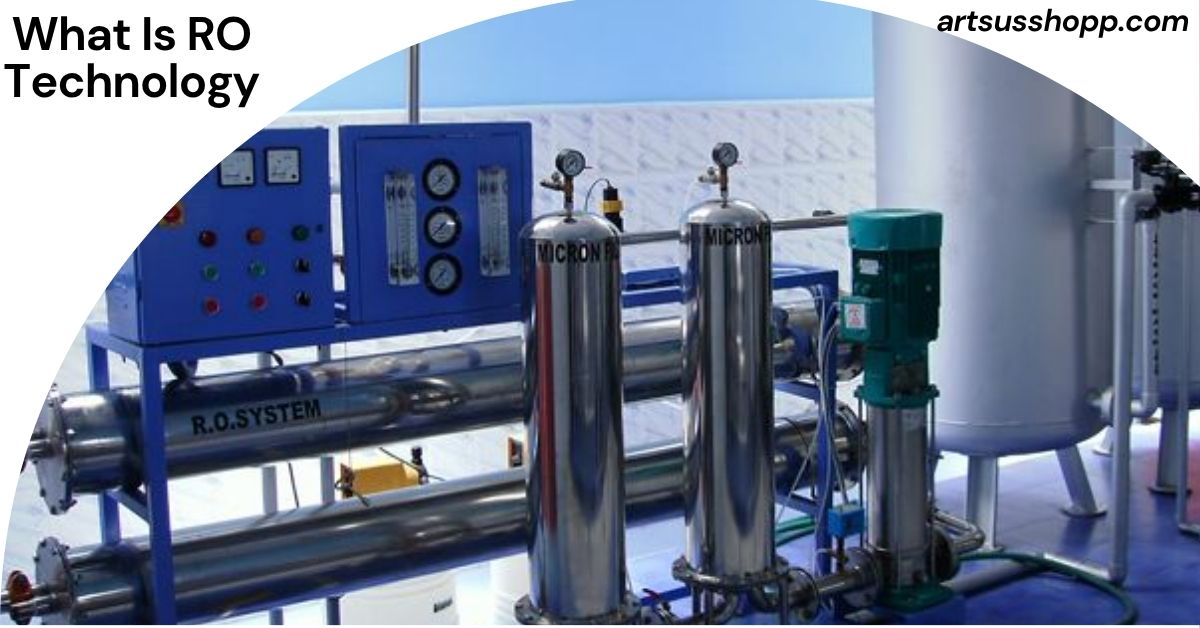
What Is RO Technology? A Complete Guide to Reverse Osmosis Water Purification
Clean drinking water is one of the most important requirements for a healthy life. However, tap water and even some natural water sources can contain contaminants, chemicals, bacteria, dissolved salts, heavy metals, and other impurities that may affect both health and taste.
This is where Reverse Osmosis (RO) technology comes into the picture. Many households, businesses, hospitals, laboratories, and industries rely on RO systems to produce high-quality purified water.
If you have ever wondered what is RO technology, how it works, and why it is considered one of the most effective water purification methods available today, this comprehensive guide will provide everything you need to know.
By the end of this article, you will understand what is RO technology in water purifier systems, how RO membranes function, their benefits and limitations, and in what technology is the RO membrane used across various industries.
What Is RO Technology?
RO technology, or Reverse Osmosis technology, is an advanced water purification process that removes unwanted contaminants, dissolved salts, chemicals, and impurities from water using a specialized semi-permeable membrane.
In simple terms, RO technology forces water through a microscopic filter that allows water molecules to pass while blocking larger contaminants.
The result is cleaner, safer, and better-tasting water.
When people ask what is RO technology, the simplest answer is:
RO technology is a filtration process that uses pressure to push water through a semi-permeable membrane, removing contaminants and producing purified water.
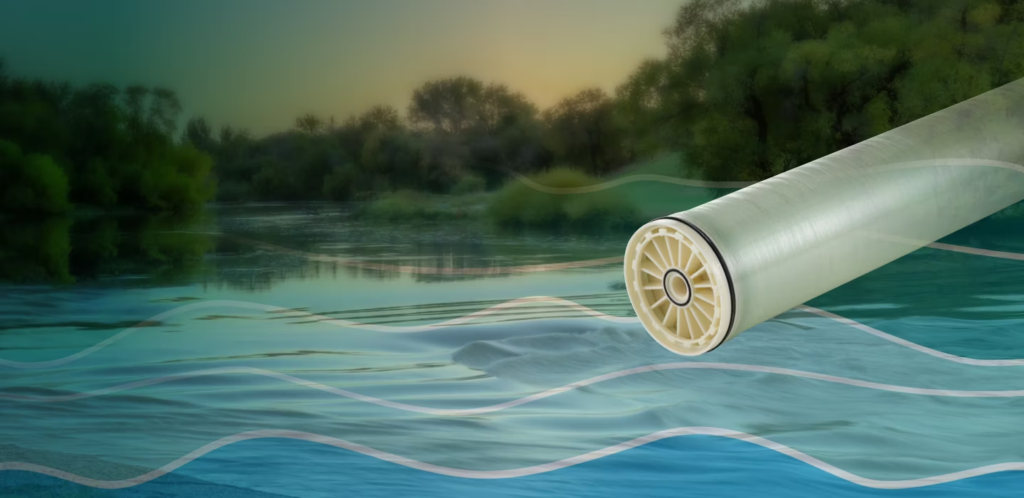
This technology has become one of the most trusted methods for water purification worldwide because of its ability to remove a wide range of pollutants.
Understanding the Meaning of Reverse Osmosis
To fully understand what is RO technology, it helps to first understand osmosis.
Osmosis is a natural process where water moves from an area with lower concentration of dissolved substances to an area with higher concentration through a semi-permeable membrane.
Reverse osmosis does the opposite.
Instead of allowing water to move naturally, pressure is applied to force water from a highly concentrated solution through a membrane toward a lower concentration area.
During this process:
- Clean water passes through the membrane.
- Contaminants remain behind.
- Impurities are flushed away as wastewater.
This reverse movement of water is why the process is called Reverse Osmosis.
History of RO Technology
The concept of reverse osmosis was first studied in the 1950s as scientists searched for ways to convert seawater into drinking water.
Over time, researchers developed more efficient membranes and filtration systems.
Major advancements occurred during the 1960s and 1970s when practical RO membranes became commercially available.
Today, RO technology is used globally for:
- Residential drinking water purification
- Industrial water treatment
- Desalination plants
- Pharmaceutical manufacturing
- Food processing
- Laboratory applications
- Medical facilities
Modern RO systems are more efficient, affordable, and environmentally friendly than ever before.
What Is RO Technology in Water Purifier Systems?
One of the most common questions consumers ask is: what is RO technology in water purifier systems?
In a water purifier, RO technology acts as the primary purification stage that removes dissolved impurities from water.
Unlike basic filters that mainly remove visible particles, RO systems eliminate microscopic contaminants that cannot be seen with the naked eye.
A typical RO water purifier removes:
- Total Dissolved Solids (TDS)
- Lead
- Arsenic
- Fluoride
- Nitrates
- Chlorine
- Pesticides
- Heavy metals
- Industrial pollutants
- Microplastics
- Harmful chemicals
This makes RO purifiers particularly useful in areas where water quality is poor or where groundwater contains high levels of dissolved minerals.
How Does RO Technology Work?
Understanding how RO technology works helps explain why it is so effective.
The purification process generally occurs in several stages.
Stage 1: Sediment Filtration
Water first passes through a sediment filter.
This filter removes:
- Sand
- Dirt
- Rust particles
- Dust
- Other large debris
Removing these particles protects the RO membrane from damage.
Also Read: What Is QR Technology? A Complete Beginner-Friendly Guide for 2026
Stage 2: Carbon Filtration
Next, water flows through an activated carbon filter.
This stage removes:
- Chlorine
- Bad odors
- Unpleasant tastes
- Organic compounds
Carbon filtration improves water quality and helps extend membrane life.
Stage 3: RO Membrane Filtration
This is the most important stage.
The RO membrane contains microscopic pores that allow water molecules to pass while blocking contaminants.
At this stage, the system removes:
- Dissolved salts
- Heavy metals
- Harmful chemicals
- Many microorganisms
Stage 4: Post Carbon Filtration
After membrane filtration, water often passes through another carbon filter.
This final polishing stage improves taste and freshness.
Stage 5: Storage and Dispensing
Purified water is stored in a tank until needed.
When the tap is opened, clean drinking water is delivered instantly.
The Science Behind RO Membranes
The RO membrane is the heart of every reverse osmosis system.
This thin-film membrane contains extremely tiny pores measured in nanometers.
These pores are so small that they can block:
- Dissolved salts
- Heavy metals
- Bacteria
- Viruses
- Chemical contaminants
Water molecules are able to pass through because they are much smaller than most contaminants.
This highly selective filtration process is what makes RO technology so effective.
In What Technology Is the RO Membrane Used?
Many people ask: in what technology is the RO membrane used?
The answer extends far beyond household water purifiers.
RO membranes are used in numerous advanced technologies and industries.
Drinking Water Purification
The most common use is residential and commercial drinking water systems.
Desalination Technology
RO membranes play a crucial role in converting seawater into fresh drinking water.
Many coastal regions depend on desalination plants powered by reverse osmosis.
Pharmaceutical Manufacturing
The pharmaceutical industry requires ultra-pure water for medicine production.
RO membranes help achieve strict purity standards.
Food and Beverage Industry
Food manufacturers use RO systems to ensure consistent water quality.
Applications include:
- Bottled water
- Soft drinks
- Dairy processing
- Brewing
Medical Technology
Hospitals use RO systems in:
- Dialysis treatment
- Surgical facilities
- Sterile processing departments
Electronics Manufacturing
Semiconductor and electronics manufacturers require extremely pure water.
RO membranes help remove contaminants that could damage sensitive components.
Power Generation
Power plants use RO technology to treat water used in boilers and cooling systems.
Laboratory Applications
Research facilities rely on RO-purified water for accurate scientific testing.
Components of an RO Water Purifier
Understanding the components helps consumers choose the right system.
Most RO purifiers include:
Sediment Filter
Removes large particles.
Activated Carbon Filter
Removes chlorine and organic contaminants.
RO Membrane
Performs the main purification process.
Storage Tank
Stores purified water.
Flow Restrictor
Controls water flow and system pressure.
Post Carbon Filter
Improves final taste.
Faucet
Dispenses purified water.
Booster Pump
Used when water pressure is low.
Benefits of RO Technology
RO technology has become popular because of its many advantages.
Superior Water Purification
RO systems remove a broad range of contaminants.
Better Taste
Removing impurities significantly improves water taste and odor.
Reduced Health Risks
Cleaner water may help reduce exposure to harmful contaminants.
Effective Heavy Metal Removal
RO systems can remove:
- Lead
- Mercury
- Arsenic
- Cadmium
Lower Sodium Levels
People on low-sodium diets often benefit from RO-treated water.
Reliable Performance
Properly maintained systems consistently deliver high-quality water.
Environmentally Friendly Alternative
Using an RO system can reduce dependence on bottled water, helping minimize plastic waste.
What Contaminants Can RO Technology Remove?
RO technology is highly effective against many contaminants.
These include:
Dissolved Salts
RO significantly reduces Total Dissolved Solids (TDS).
Heavy Metals
Common examples include:
- Lead
- Mercury
- Arsenic
Fluoride
RO systems effectively reduce fluoride concentrations.
Nitrates
Agricultural runoff often introduces nitrates into water supplies.
RO systems help remove them.
Chlorine
Carbon filtration stages remove chlorine and related compounds.
Pesticides
Many pesticide residues can be reduced through RO filtration.
Microplastics
Modern RO membranes can help reduce microplastic contamination.
Certain Bacteria and Viruses
Although RO membranes can remove many microorganisms, additional disinfection methods may be used for complete protection.
Limitations of RO Technology
No purification system is perfect.
Understanding limitations helps set realistic expectations.
Water Waste
Traditional RO systems produce wastewater during purification.
Newer systems are becoming more efficient.
Slower Filtration
RO filtration takes longer than standard filtration methods.
Maintenance Requirements
Filters and membranes require regular replacement.
Mineral Removal
RO removes both harmful and beneficial minerals.
Many modern systems include remineralization stages to improve water quality.
Dependence on Water Pressure
Adequate pressure is necessary for optimal performance.
RO Technology vs Other Water Purification Methods
Consumers often compare RO with other purification technologies.
RO vs UV Purification
RO removes dissolved contaminants.
UV primarily kills microorganisms.
RO offers broader purification.
RO vs Activated Carbon Filters
Carbon filters improve taste and odor.
RO removes dissolved impurities as well.
RO vs Distillation
Distillation is highly effective but slower and more energy-intensive.
RO is generally more practical for everyday use.
RO vs Ultrafiltration
Ultrafiltration removes larger contaminants but cannot remove dissolved salts effectively.
RO provides deeper purification.
Is RO Water Safe to Drink?
Yes, RO water is generally safe to drink.
In fact, millions of people around the world consume RO-purified water every day.
Modern RO systems are designed to meet strict water quality standards.
Many premium systems now include remineralization filters that add beneficial minerals back into the water after purification.
Who Should Use RO Technology?
RO technology is especially beneficial for:
- Households with poor water quality
- Homes using well water
- Areas with high TDS levels
- Regions with heavy metal contamination
- Families seeking safer drinking water
- Businesses requiring purified water
How to Choose the Best RO Water Purifier
Choosing the right system depends on several factors.
Check Water Quality
Test your water before purchasing a purifier.
Consider TDS Levels
High TDS water often benefits most from RO purification.
Look for Certification
Choose systems tested by recognized organizations.
Evaluate Filter Stages
Multi-stage filtration generally provides better performance.
Review Maintenance Costs
Consider long-term replacement expenses.
Check Storage Capacity
Choose a tank size that matches household needs.
Maintenance Tips for RO Systems
Proper maintenance ensures consistent performance.
Replace Filters Regularly
Follow manufacturer recommendations.
Inspect the Membrane
Replace the membrane when necessary.
Sanitize the System
Periodic cleaning helps prevent bacterial growth.
Monitor Water Quality
Regular testing helps verify performance.
Check for Leaks
Address leaks immediately to prevent damage.
Future of RO Technology
RO technology continues to evolve.
Several innovations are shaping the future of water purification.
High-Efficiency Membranes
New membranes produce less wastewater.
Smart Monitoring Systems
Advanced sensors monitor performance in real time.
Energy-Efficient Designs
Manufacturers are reducing energy consumption.
Improved Water Recovery
Modern systems recover more purified water from each gallon processed.
Integration with Smart Homes
Connected devices allow users to track water quality remotely.
The future of RO technology looks promising as demand for clean drinking water continues to grow worldwide.
Common Myths About RO Technology
Myth 1: RO Water Is Unsafe
RO water is considered safe when produced by a properly maintained system.
Myth 2: RO Removes Every Contaminant
While highly effective, no system removes absolutely everything.
Myth 3: All RO Systems Are the Same
Performance varies significantly among different models.
Aalso Read: What Is Known as BT in Genetic Technology? A Complete Beginner-Friendly Guide
Myth 4: RO Water Has No Taste
Most users find RO water tastes cleaner and fresher.
Myth 5: RO Is Only for Industrial Use
Today, millions of homeowners use RO systems daily.
Expert Insights on RO Technology
Based on current water treatment practices, RO remains one of the most reliable purification technologies available.
Its greatest strength lies in its ability to remove dissolved contaminants that many other filtration methods cannot effectively address.
As water quality challenges increase due to industrialization, aging infrastructure, and environmental pollution, RO technology is likely to become even more important.
However, consumers should remember that the best water treatment solution depends on local water conditions. Testing water before choosing a purification system is always a smart decision.
Conclusion
If you have been asking what is RO technology, the answer is simple: it is one of the most advanced and effective water purification methods available today.
By using a semi-permeable membrane, reverse osmosis systems remove dissolved salts, chemicals, heavy metals, and many other contaminants that may affect water quality.
Understanding what is RO technology in water purifier systems helps consumers make informed decisions about their drinking water. Likewise, knowing in what technology is the RO membrane used reveals the enormous impact this innovation has across industries ranging from healthcare and pharmaceuticals to desalination and electronics manufacturing.
As technology continues to improve, RO systems are becoming more efficient, environmentally friendly, and accessible. For households seeking cleaner, safer, and better-tasting drinking water, reverse osmosis remains one of the most trusted solutions available.
Frequently Asked Questions (FAQs)
Does RO technology improve the taste of water?
Yes. RO systems remove many contaminants that cause unpleasant tastes and odors, resulting in cleaner-tasting water.
Can RO technology remove microplastics?
Modern RO membranes are highly effective at reducing microplastic contamination due to their extremely small pore size.
How often should an RO membrane be replaced?
Most RO membranes last between 2 and 5 years, depending on water quality, usage, and maintenance.
Does RO technology require electricity?
Some systems operate without electricity, while others use electric pumps to improve pressure and performance.
Can RO systems work with well water?
Yes. RO systems are commonly used with well water, especially when high levels of dissolved contaminants are present.
Is RO water suitable for cooking?
Absolutely. RO water can be used for drinking, cooking, coffee, tea, and food preparation.
Can RO technology remove PFAS chemicals?
Many RO systems are effective at reducing PFAS compounds, often called “forever chemicals,” making them a popular choice for households concerned about these contaminants.
How much water does an RO system purify daily?
Capacity varies by model. Residential systems commonly produce between 50 and 100 gallons of purified water per day.
Does RO water affect coffee and tea flavor?
Many coffee and tea enthusiasts prefer RO water because it removes impurities that can alter flavor profiles.
Can RO technology help reduce bottled water consumption?
Yes. Installing an RO system at home can significantly reduce the need for bottled water, helping save money and reduce plastic waste.


