



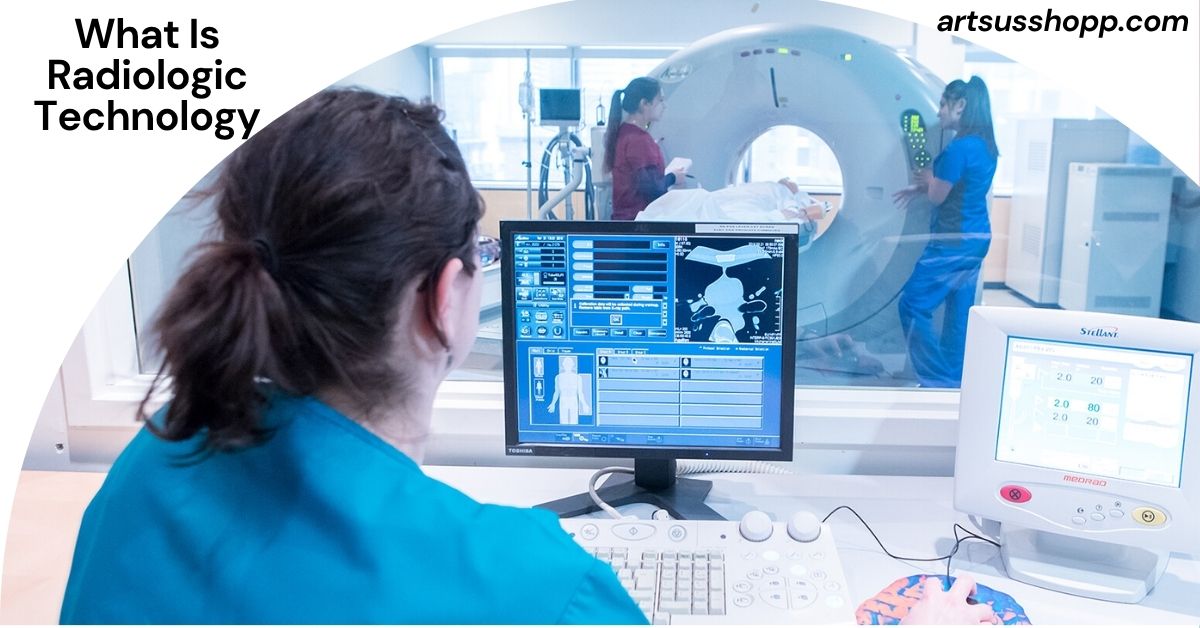
What Is Radiologic Technology? Complete Guide to Careers, Salary, Education, and Future Opportunities
Radiologic technology is one of the most important healthcare professions in modern medicine. Every day, doctors rely on medical images to diagnose injuries, detect diseases, monitor treatments, and save lives. Behind these images are highly trained professionals known as radiologic technologists.
If you have ever wondered what is radiologic technology, how it works, what education is required, or whether it is a good career choice, this comprehensive guide will answer all your questions.
The healthcare industry continues to grow across the United States, and radiologic technology remains one of the most stable and rewarding medical careers available today. With advancements in imaging technology, artificial intelligence, and patient care, radiologic technologists are becoming more valuable than ever before.
This guide explores everything you need to know about radiologic technology, including education requirements, salary expectations, career opportunities, job outlook, and the future of the profession.
What Is Radiologic Technology?
Radiologic technology is the science and practice of using medical imaging equipment to create images of the inside of the human body. These images help physicians diagnose injuries, diseases, and medical conditions accurately.
Radiologic technology is sometimes called radiography or X-ray technology because X-rays are among the most common imaging methods used in healthcare.
In simple terms, when people ask “what is radiologic technology,” the answer is that it is a healthcare field that combines medical knowledge, patient care, and advanced imaging technology to help doctors see what is happening inside the body without surgery.

Radiologic technologists operate specialized imaging equipment to produce detailed images of:
- Bones
- Joints
- Muscles
- Organs
- Blood vessels
- Soft tissues
- Internal structures
These images play a critical role in diagnosing and treating patients.
The History of Radiologic Technology
Radiologic technology began in 1895 when German physicist Wilhelm Conrad Röntgen discovered X-rays.
His discovery revolutionized medicine because physicians could finally view internal structures without performing surgery.
Over the decades, radiologic technology evolved significantly. Modern imaging methods now include:
- Digital Radiography (DR)
- Computed Radiography (CR)
- Computed Tomography (CT)
- Magnetic Resonance Imaging (MRI)
- Mammography
- Fluoroscopy
- Nuclear Medicine
- Interventional Radiology
Today, radiologic technology is considered one of the foundations of modern healthcare.
What Does a Radiologic Technologist Do?
A radiologic technologist performs many responsibilities beyond simply taking X-ray images.
Their daily duties often include:
Preparing Patients for Imaging Procedures
Patients may feel nervous before imaging exams. Radiologic technologists explain procedures, answer questions, and ensure patients feel comfortable.
Positioning Patients Correctly
Accurate positioning is essential for obtaining high-quality diagnostic images.
Technologists carefully position patients according to physician instructions and imaging protocols.
Operating Imaging Equipment
Radiologic technologists use sophisticated imaging systems to capture detailed images.
These systems may include:
- X-ray machines
- CT scanners
- Fluoroscopy systems
- Mammography equipment
- Bone densitometry scanners
Following Radiation Safety Procedures
Patient safety is a top priority.
Technologists use shielding devices, exposure controls, and safety guidelines to minimize radiation exposure.
Evaluating Image Quality
After capturing images, technologists review them to ensure diagnostic quality before sending them to radiologists.
Maintaining Patient Records
Accurate documentation helps healthcare providers track patient history and treatment progress.
Why Is Radiologic Technology Important?
Medical imaging has become one of the most powerful diagnostic tools available in healthcare.
Without radiologic technology, doctors would have difficulty diagnosing many conditions quickly and accurately.
Radiologic technology helps detect:
- Broken bones
- Lung diseases
- Cancer
- Heart conditions
- Internal bleeding
- Infections
- Tumors
- Joint disorders
Early detection often leads to better treatment outcomes and improved patient survival rates.
Types of Radiologic Technology
Radiologic technology includes several specialized imaging areas.
Diagnostic Radiography
This is the most common area of radiologic technology.
Technologists perform standard X-ray examinations to diagnose injuries and illnesses.
Computed Tomography (CT)
CT scanners create detailed cross-sectional images of the body.
CT technology is commonly used for:
- Trauma cases
- Cancer diagnosis
- Brain imaging
- Organ evaluation
Magnetic Resonance Imaging (MRI)
MRI uses powerful magnets and radio waves instead of radiation.
MRI helps diagnose:
- Brain disorders
- Spinal injuries
- Joint problems
- Soft tissue damage
Mammography
Mammography specializes in breast imaging and breast cancer screening.
Nuclear Medicine
Nuclear medicine uses small amounts of radioactive materials to evaluate organ function and disease processes.
Interventional Radiology
Interventional radiology combines imaging guidance with minimally invasive procedures.
These procedures can often replace traditional surgery.
What Field of Study Is Radiologic Technology?
Many students ask, “what field of study is radiologic technology?”
Radiologic technology belongs to the healthcare and allied health sciences field.
It combines knowledge from several disciplines, including:
- Anatomy
- Physiology
- Medical terminology
- Physics
- Radiation science
- Patient care
- Biology
- Healthcare ethics
Students learn both classroom theory and hands-on clinical skills.
The field requires a strong understanding of science while also emphasizing communication and patient interaction.
Educational Requirements for Radiologic Technology
Most radiologic technologists complete formal education through accredited programs.
Educational pathways generally include:
Associate Degree in Radiologic Technology
This is the most common route.
Programs usually take about two years to complete.
Students learn:
- Radiographic positioning
- Radiation protection
- Anatomy
- Imaging procedures
- Patient care techniques
Bachelor’s Degree Programs
Many students pursue advanced education to expand career opportunities.
This leads to another common question:
What Is Bachelor of Science in Radiologic Technology?
A Bachelor of Science in Radiologic Technology is a four-year degree program that provides advanced education in medical imaging, healthcare leadership, and specialized imaging modalities.
The program typically includes:
- Advanced imaging techniques
- Healthcare management
- Research methods
- Leadership training
- Quality assurance
- Healthcare informatics
A bachelor’s degree may help graduates qualify for leadership roles, education positions, and advanced imaging specialties.
Many healthcare employers increasingly value bachelor’s degree holders because of their broader clinical and management knowledge.
Clinical Training in Radiologic Technology
Clinical education is a critical component of radiologic technology programs.
Students gain real-world experience in:
- Hospitals
- Diagnostic imaging centers
- Clinics
- Emergency departments
- Trauma centers
Clinical rotations allow students to practice imaging procedures under professional supervision.
This hands-on training prepares graduates for professional practice.
Certification and Licensing Requirements
Most employers prefer or require certification.
In the United States, many radiologic technologists earn certification through the:
American Registry of Radiologic Technologists
Certification demonstrates competency and professional standards.
Many states also require professional licensure before technologists can practice.
Requirements vary by state.
Essential Skills for Radiologic Technologists
Successful radiologic technologists possess a combination of technical and interpersonal skills.
Communication Skills
Technologists interact with patients of all ages and backgrounds.
Clear communication helps reduce anxiety and improve patient cooperation.
Attention to Detail
Small positioning errors can affect image quality.
Attention to detail is essential for accurate diagnostics.
Technical Skills
Modern imaging systems are highly sophisticated.
Technologists must understand equipment operation and troubleshooting.
Physical Stamina
The job often requires:
- Standing for long periods
- Moving equipment
- Assisting patients
Critical Thinking
Technologists frequently adapt imaging techniques based on patient needs and clinical situations.
What Is a Radiologic Technology Career Like?
A career in radiologic technology offers variety, stability, and meaningful patient interaction.
Most technologists work in:
- Hospitals
- Outpatient clinics
- Diagnostic imaging centers
- Physician offices
- Emergency departments
- Mobile imaging services
No two days are exactly the same.
Technologists may work with trauma patients, children, elderly individuals, athletes, and surgical teams.
This variety keeps the profession interesting and rewarding.
What Is Radiologic Technology Salary?
One of the most searched questions is “what is radiologic technology salary.”
Salary varies based on several factors:
- Education
- Certification
- Experience
- Geographic location
- Specialty area
- Employer type
In the United States, radiologic technologists generally earn competitive salaries compared to many other allied health professions.
Entry-level professionals typically earn lower salaries while experienced technologists, especially those with advanced certifications, often earn significantly more.
Technologists working in specialized areas such as MRI, CT, or interventional radiology frequently receive higher compensation than general radiographers.
Factors that can increase salary include:
- Bachelor’s degree completion
- Advanced certifications
- Leadership positions
- High-demand geographic regions
- Specialized imaging expertise
The profession offers strong earning potential and long-term career growth.
Career Advancement Opportunities
Radiologic technology provides multiple pathways for advancement.
Technologists may specialize in:
MRI Technology
MRI specialists focus on advanced magnetic resonance imaging procedures.
CT Technology
CT technologists perform sophisticated cross-sectional imaging examinations.
Mammography
Specialized breast imaging professionals help detect breast cancer.
Radiation Therapy
Radiation therapists assist in cancer treatment using targeted radiation.
Healthcare Administration
Experienced technologists may move into supervisory or management positions.
Education
Some professionals become instructors in radiologic technology programs.
Advantages of a Career in Radiologic Technology
Radiologic technology offers many benefits.
Strong Job Demand
Healthcare services continue to expand nationwide.
Medical imaging remains essential for diagnosis and treatment.
Competitive Compensation
Radiologic technologists often enjoy solid salaries and benefits.
Multiple Specialization Options
The profession offers many opportunities for growth and specialization.
Meaningful Work
Technologists directly contribute to patient diagnosis and treatment.
Technology-Focused Career
Those interested in healthcare and technology often find the profession highly rewarding.
Challenges in Radiologic Technology
Like any healthcare profession, radiologic technology has challenges.
These may include:
- Physically demanding work
- Irregular schedules
- Weekend shifts
- Emergency situations
- Exposure to stressful clinical environments
However, many professionals find that the rewards outweigh these challenges.
Future of Radiologic Technology
The future of radiologic technology looks promising.
Several trends are shaping the profession.
Artificial Intelligence Integration
AI is helping improve image analysis and workflow efficiency.
Rather than replacing technologists, AI is becoming a valuable support tool.
Advanced Imaging Systems
New technologies continue to improve image quality and diagnostic accuracy.
Growing Healthcare Needs
An aging population increases demand for medical imaging services.
Personalized Medicine
Medical imaging plays a growing role in customized treatment planning.
These developments ensure radiologic technology will remain an essential healthcare profession.
Is Radiologic Technology a Good Career Choice?
For many people, the answer is yes.
Radiologic technology can be an excellent career for individuals who enjoy:
- Healthcare
- Science
- Technology
- Patient interaction
- Problem-solving
The profession offers:
- Career stability
- Competitive income
- Advancement opportunities
- Meaningful patient impact
- Continuous learning
Those seeking a healthcare career without attending medical school often find radiologic technology an attractive option.
How to Get Started in Radiologic Technology
If you are interested in becoming a radiologic technologist, consider these steps:
- Earn a high school diploma or equivalent.
- Complete prerequisite science courses.
- Apply to an accredited radiologic technology program.
- Complete classroom and clinical training.
- Obtain certification.
- Meet state licensing requirements.
- Begin professional practice.
- Pursue advanced certifications for career growth.
Following these steps can help build a successful career in medical imaging.
Common Misconceptions About Radiologic Technology
It Is Only About Taking X-Rays
Radiologic technology involves much more than operating an X-ray machine.
Professionals perform complex imaging procedures and provide direct patient care.
Technology Does All the Work
Human expertise remains essential.
Technologists make critical decisions about positioning, image quality, and patient safety.
There Are Limited Career Options
The field offers numerous specialties and advancement opportunities.
Also Read: What Is 5G Technology? A Complete Guide to How 5G Works, Benefits, Features, and Future Applications
Radiation Exposure Is Dangerous
Modern safety protocols significantly reduce occupational exposure levels.
Radiation safety remains a major priority in the profession.
Final Thoughts on What Is Radiologic Technology
Understanding what is radiologic technology reveals why this profession is so important in modern healthcare. Radiologic technologists combine science, technology, and patient care to help physicians diagnose and treat medical conditions accurately.
As healthcare continues to evolve, medical imaging remains one of the most valuable diagnostic tools available. From traditional X-rays to advanced MRI and CT imaging, radiologic technology supports nearly every area of medicine.
For students exploring healthcare careers, professionals considering a career change, or anyone interested in medical imaging, radiologic technology offers a unique blend of job stability, competitive earnings, career growth, and meaningful work.
With strong future demand, expanding technology, and increasing healthcare needs, radiologic technology continues to be one of the most promising healthcare professions in the United States.
FAQs About What Is Radiologic Technology
Is radiologic technology harder than nursing?
Both careers are challenging in different ways. Radiologic technology focuses more on imaging science and diagnostic procedures, while nursing involves broader patient care responsibilities.
Can radiologic technologists work remotely?
Most imaging procedures require direct patient interaction. However, some experienced professionals may work in education, management, consulting, or imaging informatics roles that offer remote opportunities.
How long does it take to become a radiologic technologist?
Most associate degree programs take approximately two years, while bachelor’s degree programs generally require four years.
Is radiologic technology math-intensive?
Basic math and physics concepts are important, but advanced mathematics is usually not required for most radiologic technology programs.
Can radiologic technologists specialize after graduation?
Yes. Many professionals pursue advanced certifications in MRI, CT, mammography, interventional radiology, and other specialties.
Do radiologic technologists interact with patients every day?
Yes. Patient communication and care are important parts of the profession.
Is radiologic technology in demand in the United States?
Yes. Medical imaging services continue to grow due to an aging population, expanding healthcare access, and advances in diagnostic technology.
Can a radiologic technologist become a radiologist?
No. A radiologist is a medical doctor who completes medical school and specialized residency training. However, radiologic technologists can pursue additional education and advanced healthcare careers.
What personality traits help someone succeed in radiologic technology?
Successful technologists are often detail-oriented, compassionate, patient-focused, organized, adaptable, and comfortable working with technology.
Is a Bachelor of Science in Radiologic Technology worth it?
For many professionals, yes. A bachelor’s degree can open doors to leadership positions, specialized imaging roles, education careers, and higher earning potential over time.


