



Tips for Selecting a Stair Railing Design for Your Home
Choosing a stair railing installation style involves evaluating how the railing fits with the staircase layout, ceiling height, and surrounding finishes. A well-coordinated design follows the angle of the stairs and aligns with landings and transitions, so the railing appears intentional rather than added later. Here are a few tips to help you select the right stair railing design for your home:
Understanding Design Styles and Materials
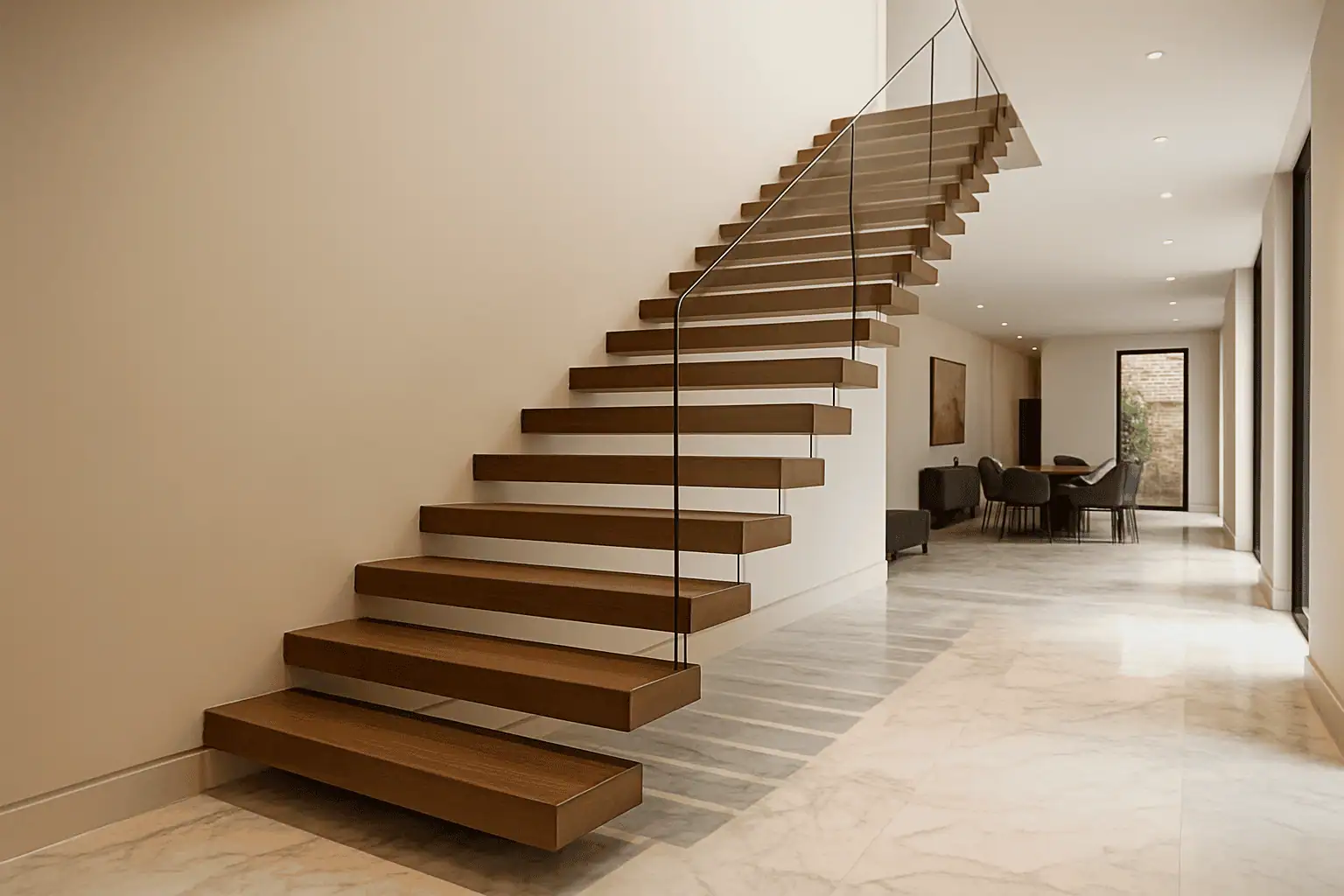
Understanding different interior design styles helps you select a railing that complements your décor. Homes may feature mid-century modern, bohemian, traditional, or blended styles. Traditional staircases often pair with classic balusters; contemporary floating stairs may use minimalist handrails with clean lines. Matching the railing style to the staircase structure and surrounding finishes creates visual continuity and prevents clashes between levels. A railing that reflects the home’s overall style can stand out as a deliberate design element while fitting naturally within the existing décor.
Material choices for railings offer a wide range of possibilities, each carrying its own character. Wood brings warmth and a sense of tradition, while metal and glass convey modern, streamlined aesthetics. Metal offers strength and durability; glass opens up spaces and contributes a contemporary feel. Choosing the right material allows the railing to harmonize both aesthetically and functionally. Combining materials thoughtfully, or selecting designs that echo existing finishes, can produce a distinctive, cohesive look throughout your home.
Evaluating Color Accents
Color theory may play a role when choosing stair railing installation styles for your home. Neutral colors integrate with a traditional theme, while accent colors create a more pronounced, contemporary focal point. Selected colors on the railing may serve as an accent that complements the surrounding shades and materials in your home. With a range of finish options, you can configure a staircase that appears coordinated and deliberate.
Prioritizing Safety and Customization
Safety regulations play a central role in stair railing design, particularly in homes with children or elderly residents. Families can choose designs with fewer horizontal bars or incorporate panels to limit climbing hazards and reduce the risk of accidents. This approach allows railings to comply with standard safety requirements while maintaining a clean, straightforward aesthetic. Thoughtful configurations provide protection without making the design feel cluttered or overly complicated.
Customizing railings to your preferences makes sure the staircase reflects your home’s overall style. Tailored services often include adjustments to finishes, dimensions, or detailing, allowing you to create a design that goes beyond standard, off-the-shelf options. Custom fabrication also addresses site-specific challenges such as uneven stair runs, limited wall clearances, or open floor plans; these solutions allow the railing to fit seamlessly while maintaining both safety and visual harmony.
Start Your Stair Railing Installation Today
The selection of stair railings involves a mix of style, safety, and material compatibility. A clear understanding of your preferences and requirements helps you choose a railing that aligns with daily usage patterns. Stair railing installation can incorporate structures that differ in form, pattern, and material arrangement. Start your search for a professional stair railing specialist in your area.


