



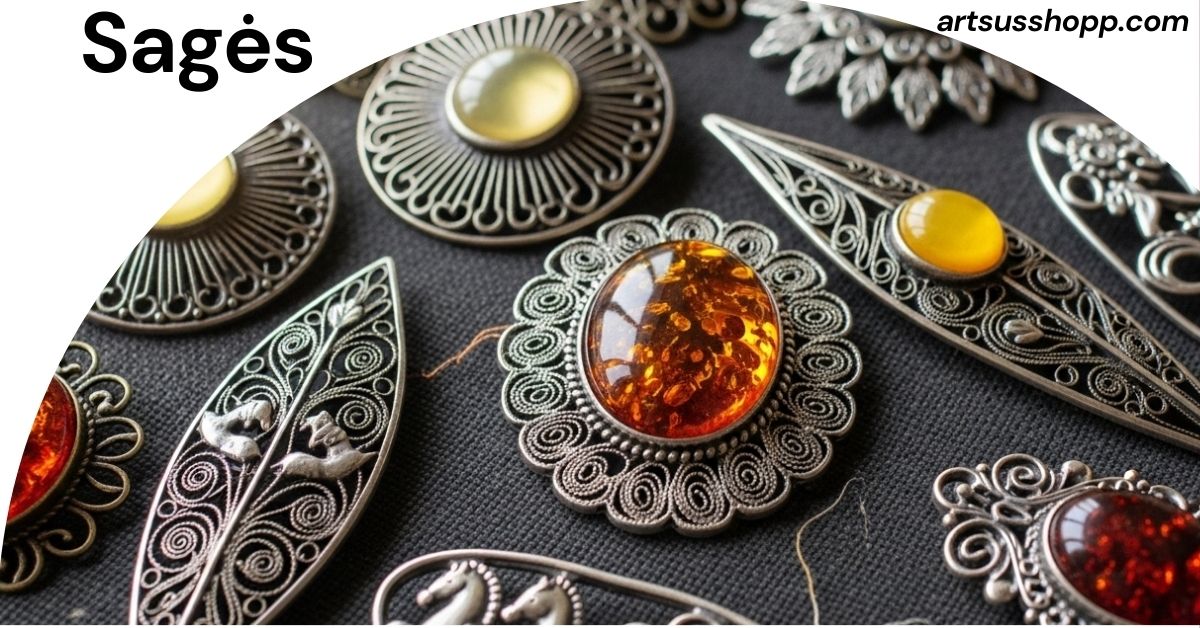
Sagės: A Complete Guide to History, Styles, and Modern Usage
Sagės, also known as brooches, are decorative jewelry pieces that have a long and fascinating history. Originally designed for practical purposes like fastening clothing, sagės have evolved into fashion statements and symbols of personal identity. They carry stories of culture, art, and social significance, making them more than just accessories. This article explores sagės from their historical roots to modern interpretations, offering insights for collectors, fashion enthusiasts, and anyone curious about this timeless adornment.
History of Sagės
Sagės have existed for thousands of years. Archaeologists have found examples dating back to the Bronze Age, indicating that people used them not only for practical purposes but also as decorative items. Early sagės were made from simple materials like bone, wood, or bronze and were often functional, used to fasten cloaks or garments.
In the Roman and Greek eras, sagės became more elaborate. They were often made from gold, silver, and precious stones. In these societies, sagės were symbols of wealth, power, and status. Nobles and high-ranking officials would wear them as a sign of their social standing.
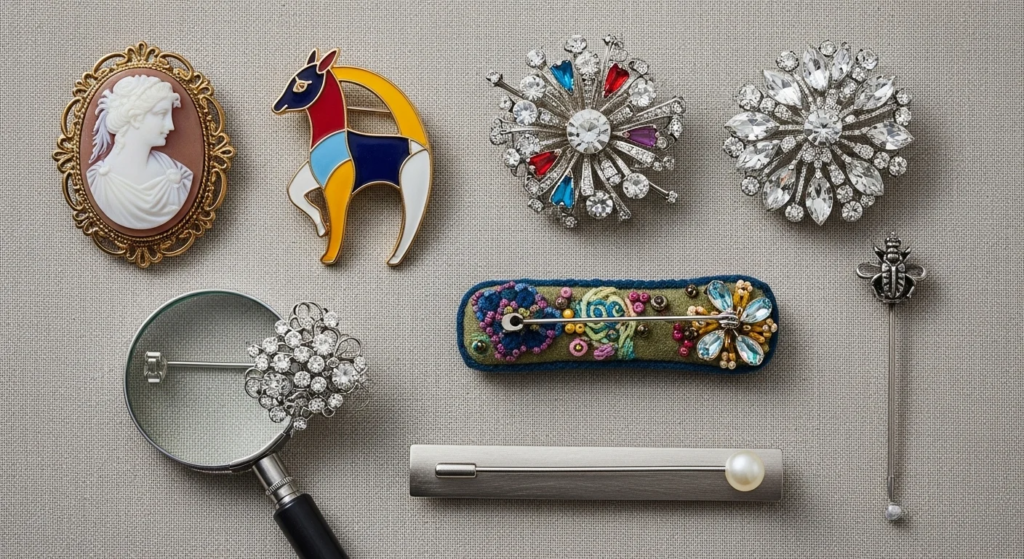
During the Middle Ages, sagės retained their functional role but also began to reflect artistic trends. Celtic and Viking sagės, for instance, were richly decorated with intricate patterns and symbolic motifs. These brooches often depicted animals, knots, or mythological scenes, showing the cultural values of the time.
By the Renaissance and Baroque periods, sagės became luxurious jewelry pieces. Artists and craftsmen focused on detailed design, adding enamel, gemstones, and gold filigree. The brooch was no longer just practical—it became a personal statement, worn to show elegance, taste, and social position.
Materials and Craftsmanship
The materials used in sagės have changed over centuries. Early sagės were made of natural substances like wood, bone, and iron. As metallurgy advanced, gold, silver, and bronze became standard. Modern sagės can be crafted from a wide variety of materials, including platinum, diamonds, pearls, enamel, and even synthetic stones.
Craftsmanship plays a vital role in the value and appeal of a sagės. Skilled artisans use techniques like engraving, filigree, enamel inlay, and stone setting to create intricate designs. Some sagės are hand-made, reflecting the artist’s creativity and attention to detail. Others are mass-produced for affordability while maintaining a stylish appearance.
Collectors often value vintage and antique sagės not just for their materials, but for the artistry and historical significance. A sagės from the Victorian era, for example, might feature detailed floral engravings and a carefully set gemstone, revealing the fashion and craftsmanship standards of that period.
Types of Sagės
Sagės come in many forms, depending on their function, design, and cultural origin. Some of the most popular types include:
Also Read: Ceıvır: Meaning, Origin, Culture, Culinary Tradition, Digital Trend, and Modern Uses
Functional Sagės
These are primarily designed to fasten clothing. Functional sagės often have a pin and clasp mechanism and can be plain or decorated. They were common in medieval and Viking societies for fastening cloaks or tunics.
Decorative Sagės
Decorative sagės focus more on aesthetic appeal than functionality. These brooches may feature elaborate designs, gemstones, and enamel work. They are popular in modern fashion for adding a stylish touch to outfits.
Cultural and Symbolic Sagės
In many cultures, sagės carry symbolic meanings. For example, Celtic sagės often incorporate knot designs that symbolize eternity or unity. Some sagės represent family heritage, religious beliefs, or national identity. Wearing such a brooch can be a way to honor cultural traditions.
Modern Fashion Sagės
Modern sagės are versatile accessories used to complement fashion trends. They may include floral designs, abstract shapes, or even novelty themes. Many fashion brands release seasonal collections, creating sagės that match current clothing styles.
Sagės in Fashion
Sagės have maintained a presence in fashion for centuries. In the 19th and early 20th centuries, women frequently wore brooches on dresses, hats, and scarves. They were used to draw attention to collars, bodices, or lapels.
Today, sagės are making a comeback as statement accessories. They can be worn on jackets, coats, handbags, or even shoes. Fashion designers often use sagės to add elegance, personality, and vintage charm to their collections. Modern sagės can be paired with casual or formal attire, making them versatile accessories.
How to Wear Sagės
Wearing a sagės effectively depends on style, placement, and outfit coordination. Some tips include:
- Placement on clothing: Classic placement is near the shoulder or on the lapel. For scarves, a sagės can secure the fabric stylishly.
- Size matters: Small sagės suit subtle elegance, while large brooches make a bold statement.
- Mix and match: Modern fashion allows layering multiple sagės on coats or dresses for a unique look.
- Coordinate with accessories: Ensure that the metal and gemstone colors match or complement other jewelry, like earrings or necklaces.
Collecting Sagės
Sagės collecting is a popular hobby among antique enthusiasts. Collectors often focus on specific eras, styles, or materials. Important factors when collecting include:
- Age and authenticity: Older sagės may have historical value.
- Material and craftsmanship: Gold, silver, and gemstone sagės often hold higher value.
- Cultural significance: Brooches from certain regions or ethnic groups can be highly collectible.
- Condition: Well-preserved sagės retain value better than damaged pieces.
Collectors often display sagės in cases, frames, or jewelry boxes, preserving their beauty and making them conversation pieces.
Also Read: Onnilaina: A Deep Dive Into Symbolism, Culture, Strength and Community
Sagės in Modern Culture
Sagės continue to appear in modern media and popular culture. Films, television shows, and fashion magazines often feature brooches as symbols of elegance or heritage. Some designers even create custom sagės for celebrities, increasing the accessory’s popularity and influence.
In addition, sagės are sometimes used in ceremonial or official settings. Governments, organizations, and clubs may issue custom sagės as awards or symbols of membership.
Caring for Sagės
Proper care ensures sagės remain beautiful for generations. Tips for care include:
- Cleaning: Use a soft cloth to remove dust and oils. For metal sagės, gentle cleaning solutions are recommended.
- Storage: Store sagės individually in boxes or fabric pouches to prevent scratches.
- Handling: Handle with care to avoid bending pins or damaging delicate designs.
- Professional maintenance: For antique or valuable sagės, consult a jeweler for cleaning or repair.
By following these practices, sagės can retain both their aesthetic appeal and monetary value.
Sagės and Gift-Giving
Sagės make meaningful gifts for various occasions. They symbolize appreciation, friendship, love, or cultural pride. Some reasons people gift sagės include:
- Milestones: Birthdays, anniversaries, or graduations.
- Heritage: Custom brooches that reflect family or cultural traditions.
- Fashion: Unique designs that suit the recipient’s style.
- Commemorations: Limited-edition or antique sagės as keepsakes.
The personal and timeless nature of sagės makes them cherished gifts across generations.
Trends in Sagės
Modern sagės trends blend traditional and contemporary styles. Some current trends include:
- Vintage revival: Modern designers recreate Victorian or Art Deco styles.
- Minimalist designs: Simple shapes and clean lines for everyday wear.
- Statement pieces: Oversized sagės with bright colors or geometric shapes.
- Eco-friendly materials: Sustainable metals and stones for environmentally conscious fashion.
These trends show that sagės continue to evolve while honoring their rich history.
ALso Read: NovaPG: The Intelligent Workflow Optimization
Conclusion
Sagės are more than just decorative pins—they are pieces of history, art, and culture. From their ancient functional roots to modern fashion statements, sagės have maintained their relevance for centuries. Whether used to fasten clothing, express personal style, or symbolize cultural identity, sagės remain versatile, elegant, and meaningful. Collectors and fashion enthusiasts alike can appreciate their beauty, craftsmanship, and history. By understanding sagės, we gain insight into human creativity, social expression, and the timeless appeal of adornment.
FAQs About Sagės
What is the difference between a sagės and a pin?
A sagės is a type of decorative pin often used for both fashion and functionality. While all sagės are pins, not all pins are sagės; sagės are usually more ornamental and may carry cultural or symbolic significance.
Are sagės still popular today?
Yes, sagės remain popular in fashion, particularly as statement accessories. They are also valued by collectors and enthusiasts of antique jewelry.
Can men wear sagės?
Absolutely. Sagės are unisex and can complement men’s suits, hats, and coats. Historical sagės were worn by men in Viking, Celtic, and medieval societies.
How can I identify an antique sagės?
Look for signs of age, craftsmanship, and materials. Authentic antique sagės may have hallmarks, detailed engravings, or design styles typical of a certain era.
What materials are best for sagės?
High-quality sagės are often made from gold, silver, platinum, and precious stones. However, fashion sagės may use a wide variety of materials, including enamel, synthetic stones, and alloys.
Can sagės be repaired?
Yes, sagės can be repaired by skilled jewelers, especially if pins or clasps are damaged. Antique sagės may require specialized care to preserve their value.
How do I choose a sagės for my outfit?
Consider size, style, color, and placement. Match metal tones with other accessories and select a brooch that complements your clothing without overwhelming it.


