



Gastric Bypass Surgery and Its Effectiveness
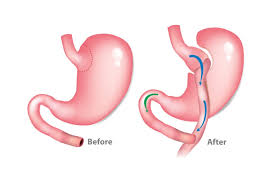
Gastric bypass involves a surgical procedure that alters the stomach and small intestine to change how the body absorbs and digests food. The procedure is typically performed on individuals who have not achieved long-term weight loss through other methods. This operation changes the anatomy of the digestive system, which affects food consumption and nutrient absorption. Here is more information about this procedure and its effectiveness:
Reducing Stomach Size
A primary component of the gastric bypass procedure is the creation of a smaller stomach pouch. The surgeon typically uses staples to divide the stomach into two sections: a small upper pouch and a much larger lower section. This new pouch is generally about the size of a walnut and can hold only a small amount of food, roughly one ounce. The larger part of the stomach is bypassed and no longer stores or digests food, though it continues to produce digestive juices. This significant reduction in stomach volume is a key mechanism of the surgery.
Redirecting Food to the Intestine
Following the creation of the small stomach pouch, the surgeon can reroute the digestive system. The small intestine is divided, and the bottom end is brought up and connected directly to the newly created stomach pouch. When you eat, food travels from the small pouch directly into this lower part of the small intestine. This redirection means food bypasses the larger portion of your stomach and the upper section of your small intestine. The body then absorbs fewer calories and nutrients from the food consumed.
Reducing Food Intake
The smaller stomach pouch physically limits the amount of food you can eat at one time. After the gastric bypass, patients typically feel full much more quickly, often after just a few bites. Eating more than the pouch can hold may lead to discomfort, nausea, or vomiting. This physical limitation helps control portion sizes and reduce overall calorie consumption. Over time, this restriction on food intake may contribute to weight loss. The procedure also affects gut hormones that regulate hunger and satiety, potentially leading to a decreased appetite.
Combining with Lifestyle Changes
Long-term outcomes may be closely tied to sustained lifestyle modifications. After the procedure, you will need to follow specific dietary guidelines. This includes eating smaller meals, choosing nutrient-dense foods, and avoiding high-sugar or high-fat items. Regular physical activity is another component of the post-surgery plan. Adopting and maintaining these new habits are part of the process. Patients may receive guidance from a medical team, which may include dietitians and other specialists, to help navigate these changes. The following lifestyle changes may help:
- Eat balanced, nutrient-rich meals that focus on whole foods, such as vegetables, lean proteins, and whole grains.
- Practice mindful eating by slowing down during meals and paying attention to hunger cues.
- Engage in regular physical activity with weekly moderate exercise.
- Stay consistent with medical follow-ups and work closely with your healthcare team for ongoing support.
Schedule a Gastric Bypass Consultation
Gastric bypass surgery is a complex procedure that helps with weight loss. It works by making the stomach smaller and changing how food moves through your digestive system. Long-term success also involves making permanent changes to your diet and exercise habits. If you want to learn more about this surgery and see if it’s right for you, please contact our office to schedule a consultation with a specialist.


