



The Connection Between Varicose Veins and Pregnancy
Pregnancy can result in various changes as your body adapts to growing a baby, and one of these is the appearance of varicose veins. These enlarged, twisted veins are typically bluish or purple and appear on the legs or feet. They impact many expectant mothers, including those who stand for long periods of time or have a family history of vein issues. Here’s information about why they develop during pregnancy and how to address them:
Defining Varicose Veins
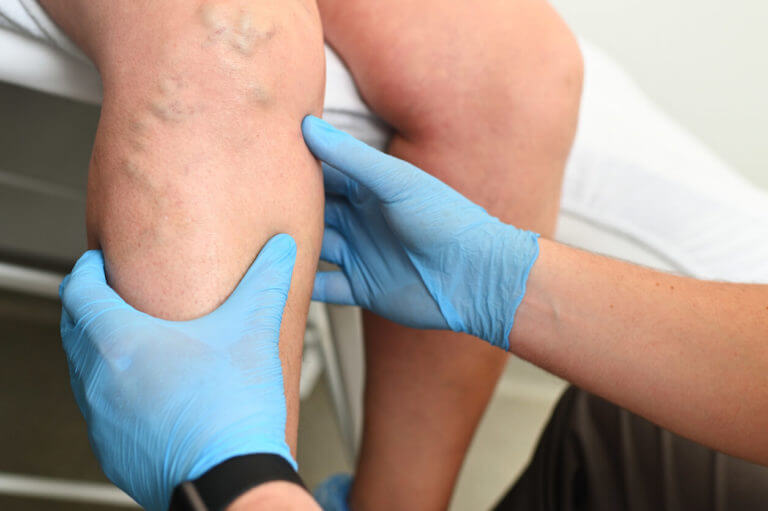
Varicose veins are veins that have become swollen, twisted, or enlarged. Their distinctive appearance comes from blood collecting within the veins instead of moving smoothly toward the heart. This occurs when one-way valves in the veins grow weaker, making it harder for blood to flow upward. Some people may only notice their appearance, but others feel aching, discomfort, or a sense of heaviness in their legs.
Understanding Why Pregnancy Triggers Them
Certain changes associated with pregnancy contribute to the likelihood of developing varicose veins. These include:
- Increased Blood Volume: During pregnancy, your body naturally creates more blood to sustain your growing baby. This fundamental change boosts pressure on the veins in your legs and feet, leading them to expand.
- Hormonal Shifts: Rising hormone levels, such as progesterone, cause your vein walls to relax. Relaxed veins function less efficiently, making it helpful to monitor your symptoms as your pregnancy progresses.
- Uterine Pressure: As your uterus enlarges to accommodate your baby, it presses on major veins, particularly the inferior vena cava. This compression makes it harder for blood to return from your lower body, and this increases your risk of swollen veins.
- Genetic Tendency: Family history represents a key influence. If your family members dealt with vein conditions during pregnancy, you may also be more likely to develop them.
Managing Varicose Veins During Pregnancy
While completely preventing varicose veins may not be possible, certain steps help reduce discomfort and manage symptoms. Incorporating gentle activities, such as walking or swimming, into your day promotes healthy circulation. Consult your healthcare provider to help you choose activities that suit your needs throughout pregnancy.
Whenever you rest, elevate your legs above heart level to ease pressure and encourage smoother blood flow. Shift positions regularly; prolonged sitting or standing can strain your veins, so take breaks to rest your legs or walk briefly each hour. Compression stockings are an option for some individuals. They may provide steady support that helps your veins function more effectively, often reducing swelling and heaviness. Sleeping on your left side relieves pressure on prominent veins. Maintaining a healthy, gradual weight gain within recommended guidelines can also support vein health and overall well-being.
Seeking Guidance From Healthcare Professionals
Some varicose veins gradually shrink and fade after delivery. If you notice open sores, bleeding, or excessive pain and redness near the vein, contact your healthcare provider. Seeking timely support makes sure you receive proper treatment, such as vein ablation or sclerotherapy.
Visit a Vein Center
Many individuals experience some form of venous insufficiency. Learning about varicose veins during pregnancy enables you to make informed decisions about your management options. By recognizing why these veins appear and following helpful tips for relief, you can enhance your well-being throughout each trimester. If you have concerning symptoms, contact a vein specialist today for support; they’ll help you explore your treatment options.


