



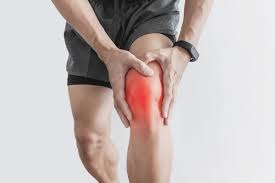
Effective Strategies for Managing Knee Pain in Active Lifestyles
For individuals with active lifestyles, knee pain often disrupts daily routines and athletic pursuits, and managing this pain is key to maintaining their quality of life. Discomfort may arise from various causes, including injury, overuse, or underlying conditions, which can worsen if left untreated. Here are some strategies for managing knee pain in an active lifestyle:
Manual Therapy
Manual therapy is a hands-on approach used by physical therapists to address both joint and soft tissue restrictions in the knee. Techniques like joint mobilization involve a therapist gently moving the knee joint in specific directions, and this improves its range of motion and reduces stiffness. Through repeated sessions, these movements may help restore more fluid joint mechanics while minimizing restriction during activities like walking, hiking, or playing sports.
Soft tissue massage is another technique in manual therapy. The therapist targets the muscles, tendons, and fascia near the knee, working to release tension, improve circulation, and address knots that develop around the joint. After a long run or an intense training session, these techniques may reduce lingering soreness and promote recovery. Manual therapy is personalized to individual needs, and adjustments are made based on your activity level and goals. This approach also allows your therapist to evaluate progress and adapt the techniques to provide increased support during rehabilitation.
Neuromuscular Reeducation
Neuromuscular reeducation focuses on restoring communication between your nerves and muscles, especially after injury or periods of inactivity. When pain alters your movement patterns, some muscles may weaken, and this puts additional stress on supporting areas. Exercises used in neuromuscular reeducation are often simple, such as single-leg balancing, resistance drills, or movements performed on unstable surfaces. Standing on a balance pad while reaching in different directions helps the body learn to stabilize itself more effectively. Enhancing neuromuscular control also supports better joint alignment. When your muscles fire in the correct sequence, the knee experiences less strain when walking, running, or changing direction during sports.
Gait Training
Your gait can impact your knees; abnormalities contribute to pain or place excess strain on one side of the body. Gait training begins with an assessment in which a specialist observes your walking and running patterns. Doctors observe:
- Stride length
- Walking speed
- Heel strike
- Foot placement
Based on these findings, you receive tailored recommendations to modify your movement. Adjustments in stride or increased focus on posture help distribute forces more evenly across your knees and lower body, and they can also improve overall balance. When these strategies are applied consistently, they help reduce overuse injuries and safeguard the joint during demanding activities.
Therapeutic Exercises
Therapeutic exercises are central to many knee pain management programs. Exercises are designed to address your needs and current limitations and build strength in muscles supporting the knee. Mini squats, step-ups, or resistance-band leg presses help stabilize the knee by activating surrounding muscles. Stretching is also beneficial; hamstring, calf, and hip flexor stretches maintain flexibility and help minimize joint tension. Progress often involves moving from basic exercises to movements that challenge your coordination and balance, such as lunges or single-leg bridges. Working through a structured plan with appropriate progression supports your knee’s stability, resilience, and mobility.
Work With a Knee Pain Specialist
Navigating knee pain while staying active is challenging but manageable with support. Manual therapy, neuromuscular reeducation, gait training, and therapeutic exercises offer different ways to address discomfort and aid recovery. A knee pain specialist develops a treatment plan that aligns with your needs and activity goals. If knee pain limits your lifestyle, schedule an appointment with a pain management specialist today.


