



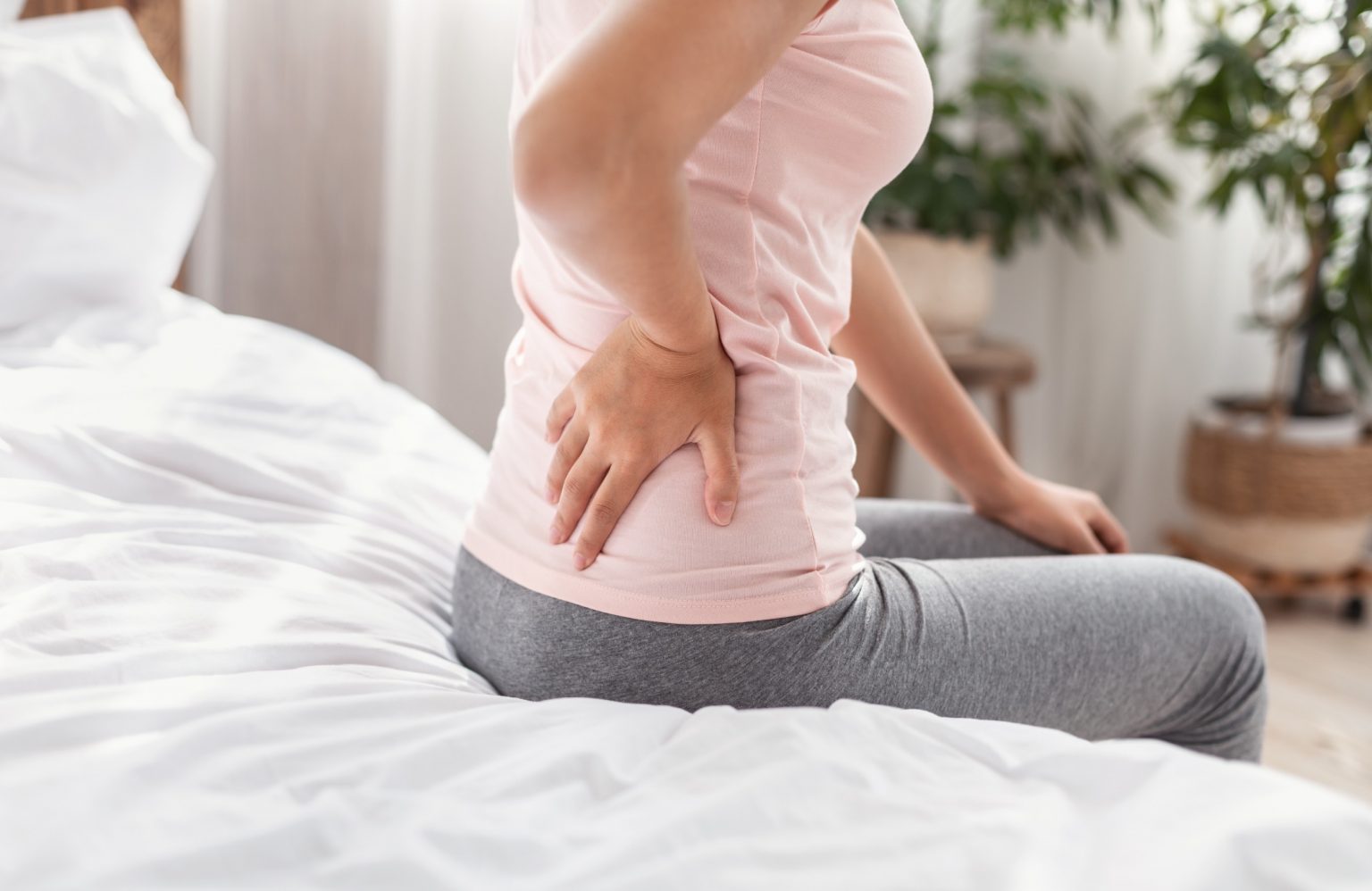
Understanding the Connection Between Lower Back Pain and Aging
Lower back pain is common, often affecting individuals as they age. The lumbar region supports much of the upper body’s weight, and it undergoes significant stress during daily activities. Understanding the physiological changes associated with aging is necessary for managing symptoms effectively. Here is more information on the definition, causes, and clinical treatment options for age-related back issues:
What Is Lower Back Pain?
Lower back pain refers to discomfort or pain located in the lumbar region of the spine. This area consists of the vertebrae that support the torso’s weight, and the lumbar spine is responsible for much of the body’s flexibility. Pain symptoms range from a dull, constant ache to a sudden, sharp sensation that complicates movement. Conditions may be acute, lasting a few days, or chronic, lasting more than 3 months.
What Causes It?
Muscle or ligament strain is a primary cause of back discomfort, and it frequently results from heavy lifting or a sudden, awkward movement. Repeated physical stress strains back muscles and spinal ligaments over time. If a person is in poor physical condition, constant back strain can cause painful muscle spasms.
Structural problems also contribute to lumbar issues. Disks act as cushions between the vertebrae in the spine, but the soft material inside a disk can bulge or rupture. This ruptured material often presses on a nerve, causing pain that radiates down the leg. Sciatica and arthritis are other structural causes of debilitating symptoms in patients.
How Is Aging Connected?
The spine undergoes natural wear and tear as the body ages, leading to various degenerative conditions. Discs between the vertebrae lose fluid and shrink, or they may become brittle and crack. This reduction in cushioning allows the vertebrae to rub against each other, causing stiffness and discomfort. Bone density decreases over time, and this reduction can lead to fractures or compression in the vertebrae.
What Are the Treatment Options?
Physical therapy is often used first to manage lumbar pain. Therapists design specific exercise programs to strengthen the core muscles that support the spine and improve flexibility and posture. Manual therapy techniques reduce soft-tissue tension, while modalities such as heat or ice alleviate acute inflammation. Consistent participation in a prescribed regimen helps patients regain mobility and functional independence.
Spinal decompression is a non-surgical option that involves stretching the spine using a traction table. This process creates negative pressure within the disc, and it potentially retracts bulging or herniated material. Decompression promotes the flow of water, oxygen, and nutrient-rich fluids into the discs, allowing them to heal. This therapy is beneficial for patients suffering from sciatica or diseased spinal nerve roots.
Spinal fusion serves as a surgical intervention for severe cases where motion is the source of pain. Surgeons permanently connect two or more vertebrae in the spine, and this procedure eliminates painful motion between them. Bone grafts are placed between the vertebrae, and metal plates, screws, or rods hold the spine together while the graft heals. This procedure stabilizes the spine and reduces the pain associated with degenerative disc disease.
Find Relief Today
Understanding the relationship between aging and lower back pain is key to effective management. Early intervention and appropriate treatment strategies help improve the quality of life for older adults, and consistent care may yield the desired results. Patients should seek medical advice to determine the most suitable course of action for their specific condition. Contact a healthcare provider to discuss symptoms and find relief.


