



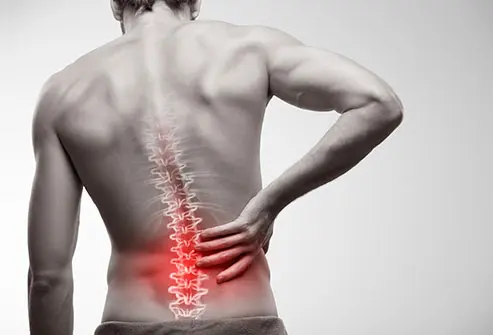
Understanding the Causes and Treatments for Lower Back Pain
Lower back pain affects many people, and it may present as a dull, constant ache or as a sharp, sudden pain that makes movement difficult. This discomfort occurs in the area between the bottom of your ribs and your legs, a region that supports much of your upper body weight. By understanding its origins, you can take the first step toward finding relief. Here are some causes and treatments for lower back pain:
Excess Muscle Strain
While daily activities sometimes lead to lower back muscle strain, repetitive lifting or a sudden, awkward movement can stretch or tear muscles and ligaments. The body initiates an inflammatory healing response, and this process may cause significant pain. You might experience stiffness and difficulty moving.
Strains may result from overuse without proper conditioning. A weekend of intense yard work after a period of inactivity places stress, and this can affect unprepared back muscles. When done incorrectly, a simple action can have painful consequences.
Herniated Discs
The spine consists of bones called vertebrae that are cushioned by discs. These discs act as shock absorbers, and they have a soft, gel-like center with a tough exterior. When the soft center pushes out through a tear in the exterior, a herniated disc occurs. This rupture can irritate nearby nerves.
Nerve irritation from a herniated disc may cause pain, numbness, or weakness in the area the nerve serves, and the pain may be shooting down one leg. While a herniation can result from a single excessive strain or injury, it typically is the final stage of a gradual, age-related process. This process is called disc degeneration.
Sometimes, a person may have a herniated disc without knowing it. When the herniated portion presses on a nerve, problems arise. The location of the pain depends on which disc is affected, and it may depend on which nerve it is compressing. Finding the source helps guide appropriate management.
Degenerative Disc Disease
As we age, the discs in our spine can change. Degenerative disc disease refers to the natural breakdown of these discs over time. They lose hydration, which makes them less flexible and more prone to tearing, and this process is a normal part of aging for many individuals.
Various Treatment Options
A range of treatments exists for lower back pain. Medications like anti-inflammatories or muscle relaxants are sometimes prescribed to reduce pain and inflammation. Therapies, including physical therapy and chiropractic care, focus on improving strength and mobility. You can also make lifestyle changes that support back health.
Some helpful lifestyle adjustments include:
- Doing low-impact exercise
- Maintaining a healthy weight
- Using proper lifting techniques
- Improving your posture
For persistent pain, interventional methods might be an option. Epidural steroid injections deliver medication directly to the affected area around the spinal nerves. Before more involved procedures, medial branch nerve diagnostic blocks are used to identify the source of the pain. If the blocks provide relief, a procedure called radiofrequency ablation may be performed to provide a more lasting effect by disrupting pain signals.
Address Lower Back Pain
Finding a solution for your lower back pain begins with understanding its cause. Different conditions require different approaches, so a clear diagnosis is a key part of the process. While pain may limit your daily activities, there are paths to managing it. Working with a healthcare provider can help you develop a personalized plan to manage your discomfort. Contact a specialist to discuss your symptoms and explore your treatment options.


