



Benefits of Using Paper Cores for Your Textile Business
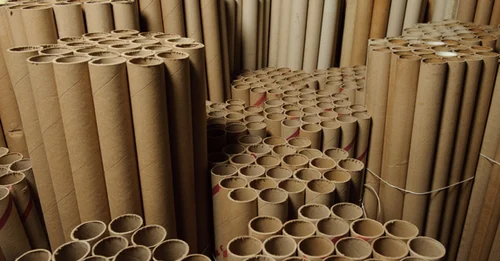
Paper cores are made from wound layers of paperboard. You can use them as a central support for rolled materials like adhesive tapes, foil, and films, and they are ideal for various industries. Here are a few benefits of using paper cores for your textile business:
Design Flexibility
Professionals make paper cores by winding several layers of paperboard with adhesive. By changing these layers, the manufacturer can customize the cores into a spiral or convolute tube. They make designs that meet your application needs; this includes variations in internal diameter, wall thickness, and surface finish.
Cores with thicker walls provide greater load-bearing capacity, and thinner walls create lighter rolls with less resistance. Manufacturers design the internal diameter to fit precisely onto different machinery shafts. They engineer specialized cores for specific needs, such as those with smooth surfaces for use with polyester or with coatings for preventing residue as the product unwinds. The smooth surface protects the quality of fabric during winding and transport by providing a non-abrasive contact point. Manufacturers may also provide cores with different colors or embossing for yarn rolls.
Consistent Strength
Manufacturers engineer paper cores to withstand radial and axial pressures, enabling them to maintain their structural integrity under heavy loads. They may achieve consistent strength through the use of wood pulp fibers, specialized adhesives, and ply lamination. The uniformity of the paper core’s strength enhances consistent roll tension, helping preserve the quality of threads, yarns, and fabrics; this promotes reliable handling and storage of textile rolls, reducing the possibilities of damage and product waste. The uniform tension that paper cores maintain helps optimize the performance of automated textile machinery.
Branding Support
Cardboard cores have a smooth surface that allows for branding and personalization; paper core manufacturers offer custom printing and labeling to enhance your product presentation. You can use custom-printed cores to promote your brand directly on the product. Professionals are able to customize the cores with specific colors, designs, or markings, based on your needs.
Lightweight Construction
A paper core can be made from lightweight recycled paperboard, resulting in lower material density; this reduces the overall weight of the finished product, such as a floor covering or fabric roll. Lighter rolls are easier to transport and store in bulk, reducing the load on conveyors and storage racks. The core’s lightweight nature helps minimize added stiffness and bulk.
The lightweight nature of paper cores improves efficiency on high-speed winding machines. The reduced mass minimizes inertia, allowing for faster acceleration and deceleration during the winding process. It further places less stress on the yarn during winding and unwinding; this helps prevent issues like tension spikes, yarn breakage, and uneven winding. By eliminating heavy spots on the paper tubes, manufacturers create cores that support better machine balance.
Learn More About Paper Cores
If needed, professionals can include end closures to your paper core for handling purposes. These closures protect the core’s ends, improve structural integrity, and support secure shaft mounting. Contact a reputable paper tube company to learn more about their products.


