



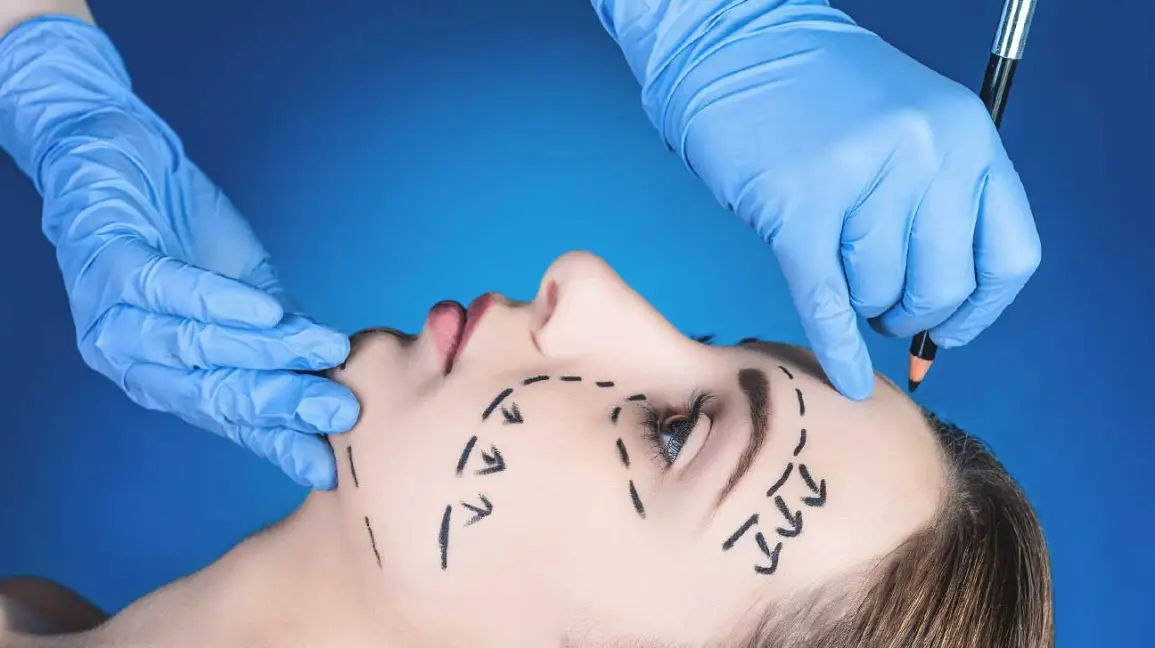
FAQs About Plastic Surgery
Plastic surgery is a medical specialty focused on reconstructing or altering the human body, and it involves many types of procedures. While plastic surgery can change your appearance, it is a significant medical decision. Understanding the details helps you make informed choices about your health and body. Here are some questions you may have about plastic surgery:
Who Is a Good Candidate?
Good candidates for plastic surgery are typically in good overall health. Since they have realistic expectations about the outcomes, they understand what a procedure can achieve. A thorough medical evaluation will determine your fitness for surgery, and this step reviews your health history and current physical condition. Your surgeon will discuss your goals and help you understand potential results.
How Long is Recovery?
Depending on the procedure you choose, recovery time varies widely. Simpler, minimally invasive treatments may require only a few days of downtime. More extensive surgeries, like a tummy tuck, might need several weeks or months before you can resume normal activities. Several factors influence how long your recovery takes, including:
- Type of procedure: More invasive surgeries typically require longer recovery periods than minimally invasive treatments.
- Health: Individuals with good overall health may heal more quickly compared to those with underlying medical conditions.
- Age: Younger patients may recover faster due to their body’s natural ability to heal more efficiently.
- Lifestyle habits: Factors such as smoking, diet, and activity levels can either support or hinder the body’s healing process.
What Procedures Are Available?
Many plastic surgery procedures focus on facial rejuvenation, and each procedure has specific goals and techniques. Facelifts address signs of aging in the face and neck, while rhinoplasty reshapes the nose for aesthetic or functional reasons. Chin augmentation can enhance the profile and create facial balance.
Breast augmentation uses implants or fat transfer to increase breast size. A breast reduction removes tissue to create a smaller, more comfortable breast size. Body contouring procedures, like a tummy tuck, remove excess skin and fat after significant weight loss. These surgeries reshape and tone different areas of the body.
Liposuction is another option for body shaping. This procedure removes stubborn fat deposits from specific areas, and this includes:
- Abdomen
- Hips
- Thighs
- Arms
While it is a fat-reduction tool, it is not a weight-loss method. The procedure helps sculpt areas that do not respond to diet and exercise.
How Do I Manage Pain?
Managing pain after surgery is a key part of your recovery. Your surgeon may prescribe pain medication, and you should take it as directed. By following the medication schedule, you can keep discomfort at a manageable level. This approach allows you to rest comfortably while your body begins to heal.
In addition to medication, there are other ways to manage pain. You can use cold compresses to reduce swelling and numb the area. Resting is also a simple yet effective strategy for pain management. When you rest, your body can focus its energy on healing. Your medical team typically gives you a full set of instructions for managing your comfort.
Schedule a Plastic Surgery Consultation
Plastic surgery involves a personal journey with many details to review. Learning about your options is the first step. If you are exploring your choices, take the next step. Schedule a consultation with a plastic surgeon today to discuss your goals with a qualified professional.


