



How PRP Is Revolutionizing Injury Treatment for Athletes
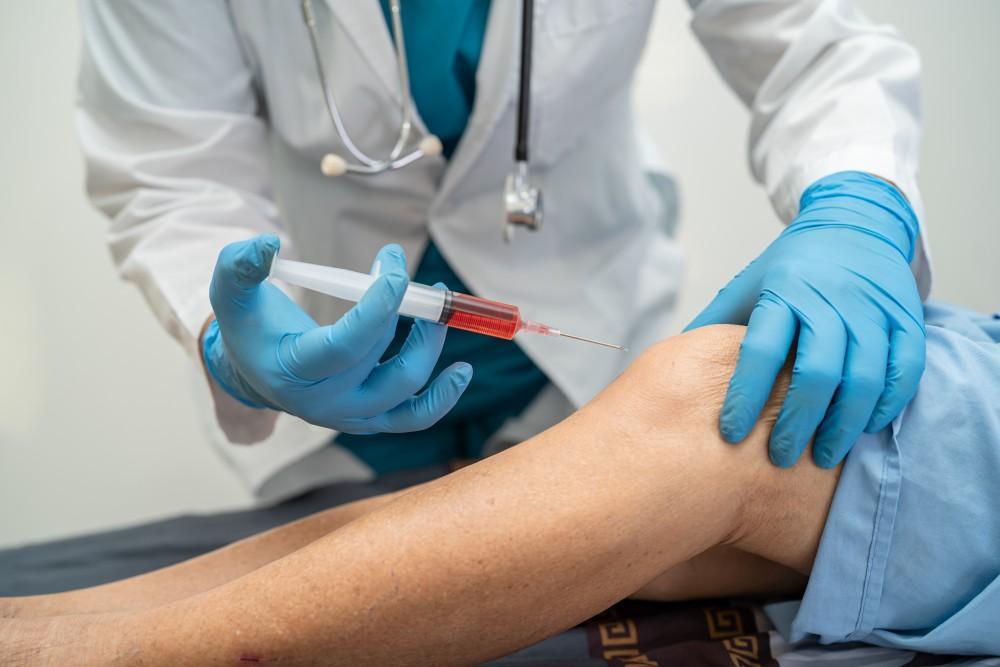
While many athletes face setbacks from injuries that disrupt training schedules, various treatments can help. Platelet-rich plasma (PRP) therapy is a treatment that uses a patient’s own blood cells to accelerate healing in specific areas. Doctors draw blood, process it to concentrate platelets, and inject it into the injured site. Here is more information on how PRP is an innovative solution that can treat injuries for athletes:
Utilizes Growth Factors
Your blood contains red cells, white cells, plasma, and platelets, all of which play a role. Platelets have the ability to clot blood, but they also contain hundreds of proteins called growth factors. These proteins play a key role in healing injuries.
Doctors prepare PRP by spinning blood in a centrifuge, which separates the platelets from other blood cells. The platelet concentration rises above normal levels, and this is used to increase the release of growth factors. This high concentration is delivered directly to the injured tissue.
When these growth factors reach the injury site, they signal the body to send other cells to the area. The process jumpstarts the healing cascade, and inflammation begins to subside over time. Athletes appreciate this targeted approach because it uses their own biology.
Stimulates Tissue Repair
The injection of PRP initiates a localized inflammation response that triggers new tissue generation. Ligaments and tendons typically heal slowly because they may have poor blood flow compared to muscles. PRP injections bring the necessary components directly to these hard-to-reach areas.
Collagen production increases significantly after the treatment. This protein provides structure to your body, and it may strengthen tendons and ligaments as they repair themselves. The treated tissue may become more resilient over time as the fibers reorganize.
Speeds Up Healing
Recovery time is a major concern for any athlete who wants to return to play. Conventional treatments such as rest and physical therapy may work well, but they can take months to show results. PRP therapy is used to accelerate this timeline by enhancing the biological environment of the injury.
Typical injuries that are treated include:
- Tennis elbow
- Achilles tendonitis
- Rotator cuff tears
- Hamstring strains
The body may work harder to repair the damage because the concentrated platelets provide a potent stimulus. You might notice improvements sooner than you would with conservative management alone. Faster healing typically allows you to resume training earlier, while patience remains necessary during the process.
Reduces Pain
Chronic pain can accompany sports injuries, and it affects performance levels significantly. PRP therapy addresses the root cause of the pain rather than just masking the symptoms. As the tissue heals and inflammation decreases, the pain signals naturally subside. Reliance on anti-inflammatory drugs decreases, which spares the stomach and liver from potential side effects, and the reduction in discomfort allows for more effective physical therapy sessions.
Schedule PRP Therapy Today
If you suffer from a sports injury that refuses to heal, PRP therapy might offer a viable solution. Take the first step, and consult with a specialist to determine if this treatment fits your specific needs and can provide effective pain relief. Contact a regenerative medicine clinic to book an appointment and start the process of recovery.


