



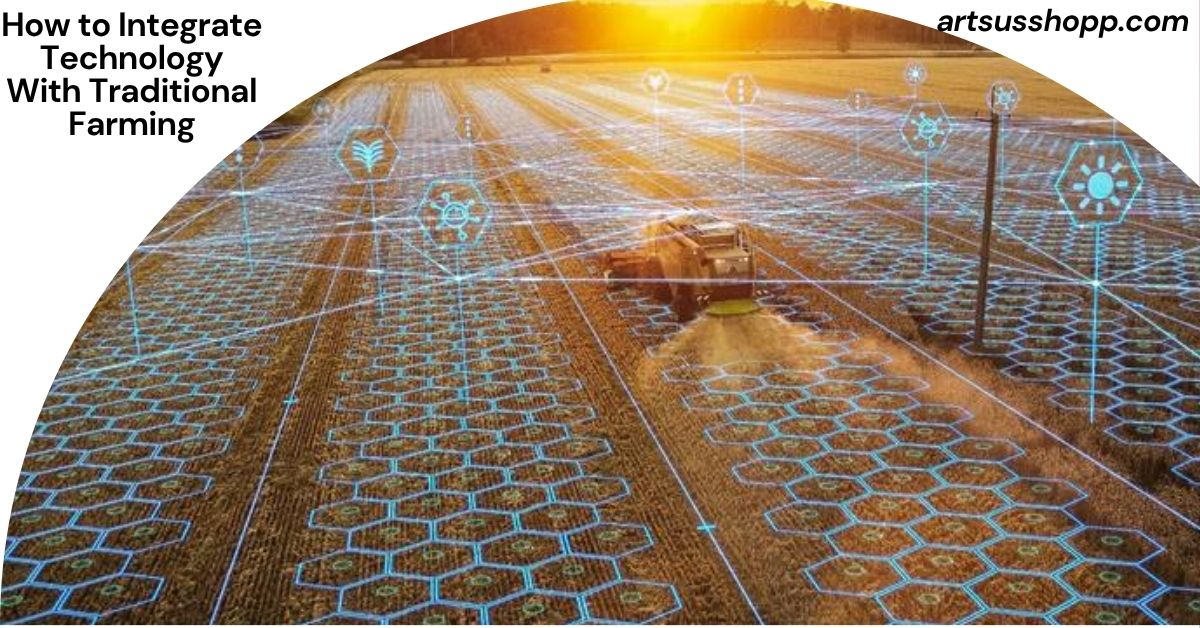
How to Integrate Technology With Traditional Farming: The Complete Guide for Higher Yields, Better Profits, and Sustainable Agriculture
Agriculture has always been the backbone of human civilization. For thousands of years, farmers relied on traditional methods, local knowledge, seasonal patterns, and manual labor to grow crops and raise livestock. While these methods have proven effective over generations, modern challenges such as climate change, labor shortages, rising production costs, water scarcity, and increasing food demand require new solutions.
This is why many farmers are searching for practical ways to understand how to integrate technology with traditional farming. Modern agricultural technology is no longer limited to large commercial farms. Today, farms of all sizes can benefit from smart irrigation systems, drones, artificial intelligence (AI), sensors, precision agriculture tools, farm management software, and automated equipment.
The goal is not to replace traditional farming knowledge. Instead, technology should complement generations of farming experience. When traditional wisdom and modern technology work together, farmers can improve productivity, reduce waste, increase profits, and create more sustainable farming systems.
This guide explains exactly how to integrate technology with traditional farming, the benefits, challenges, best practices, and future opportunities for farmers in the United States and around the world.
Why Technology Matters in Modern Farming
Modern agriculture faces several challenges that traditional methods alone may struggle to address.
Some of the biggest challenges include:
- Unpredictable weather patterns
- Increasing drought conditions
- Rising fertilizer costs
- Labor shortages
- Pest and disease outbreaks
- Soil degradation
- Growing global food demand
- Pressure to reduce environmental impact
Technology helps farmers make better decisions based on real-time data rather than guesswork. Instead of replacing traditional farming practices, technology improves efficiency and supports informed decision-making.
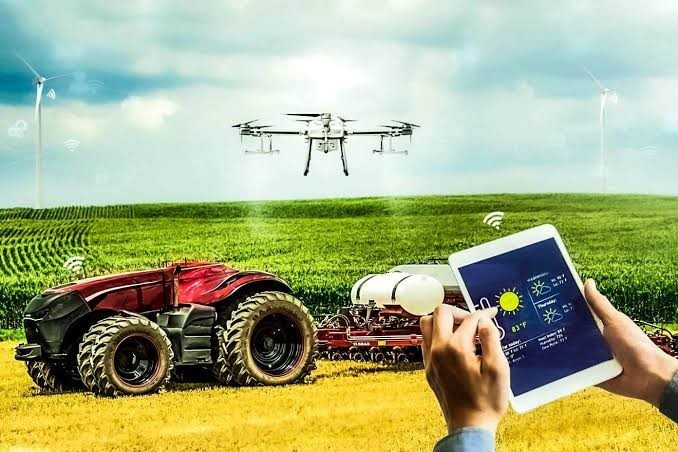
Farmers who successfully combine traditional methods with modern tools often experience:
- Higher crop yields
- Better resource management
- Lower operating costs
- Improved sustainability
- Reduced labor requirements
- Better crop quality
- Increased profitability
Understanding the Relationship Between Technology and Traditional Farming
Before learning how to integrate technology with traditional farming, it is important to understand that technology should not replace valuable farming traditions.
Traditional farming provides:
- Local knowledge
- Understanding of soil behavior
- Seasonal planting expertise
- Crop rotation practices
- Livestock management experience
- Natural pest control techniques
Technology provides:
- Data analysis
- Automation
- Monitoring systems
- Predictive insights
- Precision application
- Real-time information
The most successful farms combine both strengths.
For example, a farmer may know from experience when planting usually begins. Weather forecasting technology can help determine the exact planting window for maximum success.
This combination creates a stronger and more resilient farming operation.
Start With Precision Agriculture
One of the most effective ways to learn how to integrate technology with traditional farming is through precision agriculture.
Precision agriculture uses technology to monitor field conditions and optimize farm operations.
Instead of treating an entire field the same way, precision agriculture allows farmers to manage specific areas based on actual conditions.
Key precision agriculture technologies include:
- GPS guidance systems
- Soil sensors
- Yield monitors
- Satellite imagery
- Variable-rate application equipment
Benefits of Precision Agriculture
Precision agriculture helps farmers:
- Reduce fertilizer waste
- Improve crop yields
- Lower fuel consumption
- Save water
- Improve soil health
- Increase profitability
Traditional farmers often rely on visual observations. Precision agriculture adds detailed data that supports those observations and improves decision-making.
Use Smart Irrigation Systems
Water management is one of the most important aspects of farming.
Traditional irrigation methods can sometimes lead to overwatering or underwatering. Smart irrigation systems help farmers apply the right amount of water at the right time.
Also Read: How to Get Ancient Technology Points Palworld: The Complete 2026 Guide
How Smart Irrigation Works
Smart irrigation systems use:
- Soil moisture sensors
- Weather forecasts
- Automated controllers
- Mobile applications
These tools continuously monitor soil conditions and automatically adjust irrigation schedules.
Benefits of Smart Irrigation
Farmers can:
- Reduce water consumption
- Lower utility costs
- Improve crop health
- Prevent root diseases
- Increase yields
In areas facing water shortages, smart irrigation can significantly improve sustainability while maintaining productivity.
Integrate Drones Into Farm Operations
Drones have become one of the most valuable agricultural technologies available today.
Many farmers initially assume drones are only useful for large operations. However, drones can benefit farms of all sizes.
Uses of Agricultural Drones
Drones can help farmers:
- Monitor crop growth
- Detect pest infestations
- Identify disease outbreaks
- Assess irrigation performance
- Create field maps
- Monitor livestock
Instead of spending hours walking through fields, farmers can inspect large areas within minutes.
Combining Drones With Traditional Knowledge
Experienced farmers can often spot problems visually. Drones allow them to identify issues earlier and across larger areas.
This combination helps prevent crop losses and improves management efficiency.
Implement Soil Monitoring Technology
Healthy soil remains the foundation of successful farming.
Traditional farmers often evaluate soil through experience and observation. Modern soil monitoring technology adds scientific precision.
Soil Monitoring Tools
Popular tools include:
- Soil nutrient sensors
- Soil moisture sensors
- pH monitoring devices
- Electrical conductivity sensors
Benefits
Farmers gain insights into:
- Nutrient levels
- Moisture availability
- Soil fertility
- Soil health trends
This information helps optimize fertilizer use and improve long-term productivity.
Adopt Artificial Intelligence in Agriculture
Artificial intelligence is transforming farming around the world.
AI systems analyze large amounts of data and provide recommendations that support farming decisions.
How AI Helps Farmers
AI can assist with:
- Yield prediction
- Pest detection
- Disease diagnosis
- Weather forecasting
- Irrigation planning
- Equipment maintenance
AI and Traditional Farming
AI should be viewed as a decision-support tool.
Farmers still make the final decisions, but AI provides additional information that can improve accuracy and reduce risks.
This creates a powerful partnership between human experience and technological intelligence.
Utilize Farm Management Software
Modern farms generate large amounts of information.
Keeping records on paper can become difficult as operations grow.
Farm management software helps organize data and improve planning.
Features of Farm Management Systems
These platforms often include:
- Crop planning
- Expense tracking
- Equipment management
- Inventory monitoring
- Labor scheduling
- Yield analysis
Benefits
Farmers can:
- Improve record keeping
- Identify profit opportunities
- Track production costs
- Make informed business decisions
Good data management is becoming increasingly important in modern agriculture.
Incorporate GPS-Guided Equipment
GPS technology has transformed farming equipment.
GPS-guided tractors and machinery improve precision and efficiency.
Advantages
GPS systems help:
- Reduce overlaps
- Minimize input waste
- Improve planting accuracy
- Lower fuel consumption
- Increase field productivity
Even experienced operators benefit from GPS assistance, especially during long working hours.
Use Weather Monitoring Technology
Weather remains one of the most important factors affecting agricultural success.
Traditional farmers often rely on observation and historical patterns.
Also Read: How to Describe a Technological Feature in APHG: A Complete Student Guide for Success
Modern weather technology provides more detailed information.
Useful Weather Tools
Farmers can use:
- Weather stations
- Mobile weather apps
- Climate monitoring systems
- Rainfall sensors
Benefits
Accurate weather information helps with:
- Planting decisions
- Harvest planning
- Irrigation scheduling
- Pest management
- Frost protection
Combining traditional weather knowledge with modern forecasting improves preparedness.
Introduce Automated Farming Equipment
Automation is becoming increasingly common in agriculture.
Automation does not mean eliminating human involvement. Instead, it reduces repetitive tasks and improves efficiency.
Examples of Automation
Farm automation includes:
- Automatic feeders
- Robotic milkers
- Autonomous tractors
- Smart irrigation systems
- Greenhouse automation
Benefits
Automation helps:
- Reduce labor costs
- Improve consistency
- Increase productivity
- Save time
Farmers can focus more on management and strategic decisions.
Leverage Satellite Technology
Satellite technology provides valuable insights that cannot be seen from the ground.
Modern satellite imagery helps monitor crops across entire farms.
Applications
Satellite data can identify:
- Crop stress
- Nutrient deficiencies
- Water shortages
- Disease risks
- Yield potential
Benefits
Farmers can address issues before they become major problems, reducing losses and improving production.
Integrate Livestock Monitoring Systems
Technology is also transforming animal agriculture.
Livestock monitoring systems provide valuable information about animal health and behavior.
Technologies Used
Common tools include:
- GPS tracking collars
- Wearable sensors
- Health monitoring devices
- Automated feeding systems
Benefits
Farmers can:
- Detect illnesses earlier
- Improve animal welfare
- Increase productivity
- Reduce labor requirements
These technologies support better livestock management while preserving traditional husbandry practices.
Improve Sustainability Through Technology
Sustainability is becoming a major priority for modern agriculture.
Technology plays a critical role in reducing environmental impact.
Sustainable Benefits
Technology helps farmers:
- Use less water
- Reduce fertilizer runoff
- Minimize pesticide use
- Lower fuel consumption
- Protect soil health
Sustainable farming practices benefit both the environment and long-term farm profitability.
Common Challenges When Integrating Technology
While the benefits are significant, farmers may encounter challenges when learning how to integrate technology with traditional farming.
Initial Investment Costs
Some technologies require upfront investment.
Solutions include:
- Starting small
- Using government programs
- Applying for agricultural grants
- Leasing equipment
Learning Curve
New technology requires training and adaptation.
Farmers should:
- Attend workshops
- Work with agricultural extension services
- Learn gradually
- Seek expert guidance
Internet Connectivity
Rural internet access remains a challenge in some regions.
Fortunately, many agricultural technologies now offer offline capabilities and improved connectivity options.
Step-by-Step Strategy for Successful Integration
Farmers often make the mistake of adopting too much technology at once.
A gradual approach is usually more successful.
Step 1: Assess Current Operations
Identify areas where technology can provide the greatest benefit.
Step 2: Set Clear Goals
Examples include:
- Increasing yields
- Reducing water use
- Lowering costs
- Improving sustainability
Step 3: Start With One Technology
Choose one technology such as:
- Smart irrigation
- Soil sensors
- GPS guidance
Step 4: Measure Results
Track improvements and evaluate performance.
Step 5: Expand Gradually
Add additional technologies as confidence and experience grow.
Future Trends in Agricultural Technology
Agricultural innovation continues to evolve rapidly.
Future technologies may include:
- Advanced AI decision systems
- Fully autonomous machinery
- Blockchain-based food tracking
- Smart robotic harvesters
- Digital farm twins
- Advanced climate adaptation tools
Farmers who embrace innovation while preserving traditional knowledge will be better positioned for future success.
Also Read: How Do You Spell Technology? Complete Guide to Correct Spelling, Meaning, Usage, and Common Mistakes
Best Practices for Combining Technology and Traditional Farming
To achieve the best results:
- Respect traditional farming knowledge
- Use technology as a support tool
- Focus on solving specific problems
- Invest gradually
- Train farm workers properly
- Monitor performance regularly
- Prioritize sustainability
- Stay informed about emerging innovations
The most successful farms are not necessarily the most technologically advanced. They are the farms that effectively combine experience, observation, and data-driven decision-making.
Conclusion
Understanding how to integrate technology with traditional farming is becoming increasingly important in modern agriculture. Farmers face growing challenges related to climate change, resource management, labor shortages, and market demands. Technology offers practical solutions that improve productivity, efficiency, and sustainability.
The key is not replacing traditional farming practices but enhancing them. Smart irrigation systems, drones, artificial intelligence, soil sensors, precision agriculture, GPS guidance, and automated equipment all work best when combined with the experience and knowledge that farmers have developed over generations.
By taking a gradual and strategic approach, farmers can successfully integrate modern technologies into traditional farming operations, increase profitability, improve sustainability, and build stronger farms for the future.
Frequently Asked Questions About How to Integrate Technology With Traditional Farming
Can small farms benefit from agricultural technology?
Yes. Many affordable technologies are designed specifically for small and medium-sized farms. Soil sensors, mobile farm apps, smart irrigation systems, and drones can provide significant benefits without requiring large investments.
How much does it cost to integrate technology into a farm?
Costs vary depending on the technology. Basic soil sensors and farm management apps may cost only a few hundred dollars, while advanced GPS systems and autonomous machinery can require larger investments. Many farmers start with low-cost solutions and expand over time.
Is technology replacing farmers?
No. Technology is designed to support farmers, not replace them. Human experience, judgment, and decision-making remain essential. Technology simply provides better information and automation for routine tasks.
What technology should a beginner farmer adopt first?
Smart irrigation systems, weather monitoring tools, soil sensors, and farm management software are often excellent starting points because they provide immediate value and are relatively easy to implement.
Can technology improve organic farming?
Yes. Organic farmers can use drones, sensors, weather monitoring systems, and precision agriculture tools to improve crop health, reduce waste, and optimize resource use while maintaining organic standards.
How does technology help during extreme weather events?
Technology provides early warnings, weather forecasts, soil moisture data, and predictive analytics that help farmers prepare for droughts, floods, storms, and heat waves.
What skills do farmers need to use agricultural technology?
Basic digital literacy, willingness to learn, and an understanding of farm operations are usually sufficient. Many modern agricultural technologies are designed to be user-friendly and accessible.
How can farmers measure the return on investment from new technology?
Farmers should track yield improvements, water savings, labor reductions, fuel savings, input cost reductions, and overall profitability before and after technology adoption to determine its financial impact.
Are there government programs that support farm technology adoption?
Yes. Various federal, state, and local agricultural programs often provide grants, incentives, training, and cost-sharing opportunities to encourage technology adoption and sustainable farming practices.
What is the biggest mistake farmers make when adopting technology?
The most common mistake is trying to implement too many technologies at once. A gradual approach focused on solving specific farm challenges typically produces better results and higher long-term success.


