



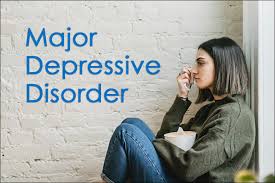
Integrating Lifestyle Changes into Major Depressive Disorder Treatment Plans
Major depressive disorder (MDD) affects people globally, altering how individuals feel, think, and handle daily activities. Medication and psychotherapy serve as the primary pillars of treatment, but integrating lifestyle modifications can support these interventions and improve overall well-being. Major depressive disorder treatment plans often benefit from a holistic approach where physical health and mental health strategies work in tandem.
What Is Major Depressive Disorder?
Major depressive disorder is a mood disorder. It is more than just feeling sad or going through a rough patch; it is a persistent condition that interferes with daily life and causes significant pain for the person with the disorder. MDD changes brain chemistry and function. Research suggests that factors including genetics, biological differences, and environmental triggers all contribute to its development.
It is a medical illness, much like diabetes or heart disease, and it requires appropriate management. Individuals with MDD often experience a sense of hopelessness or emptiness that does not simply go away with time or willpower. Understanding this biological basis helps remove the stigma surrounding the diagnosis and encourages individuals to pursue proper medical support.
What Are the Symptoms?
Symptoms of MDD vary from person to person but generally must be present for at least two weeks to warrant a diagnosis. These indicators affect emotions, physical health, and cognition. Prominent symptoms include:
- Sadness: A constant feeling of emptiness.
- Loss of Interest: An inability to find pleasure in hobbies or activities once enjoyed.
- Feelings of Worthlessness: Excessive guilt or fixation on past failures.
- Changes in Appetite: Significant weight loss or weight gain unrelated to dieting.
- Sleep Disturbances: Insomnia or oversleeping.
- Fatigue: A distinct lack of energy where even small tasks take extra effort.
- Difficulty Concentrating: Trouble focusing, remembering details, or making decisions.
- Thoughts of Death: Recurrent thoughts of suicide or suicide attempts.
If these signs persist, a healthcare provider can conduct a thorough evaluation to determine the best course of action.
What Does Major Depressive Disorder Treatment Entail?
Major depressive disorder treatment usually involves a combination of medication and psychotherapy. Psychiatrists can prescribe medications to help modify brain chemistry related to mood regulation. These medications take time to work and must be monitored by a physician to manage side effects and dosage. Psychotherapy, or talk therapy, offers tools to manage negative thought patterns.
Beyond clinical interventions, lifestyle changes support the recovery process. Depression often disrupts sleep, and poor sleep worsens depression. Establishing a consistent sleep schedule, creating a restful environment, and limiting screen time before bed can improve sleep quality. Restorative sleep allows the brain to recharge and process emotions more effectively. Techniques such as meditation help reduce stress.
Seek Professional Mental Health Care
Recovering from major depressive disorder is a process that requires professional guidance. While lifestyle modifications support treatment, they do not replace medical advice or therapy. A mental health professional can create a personalized plan that safely integrates these habits with clinical treatments. Early intervention can lead to better outcomes and a more effective path toward managing the condition. Prioritize your health by consulting with experts who can provide the necessary tools for recovery.


