



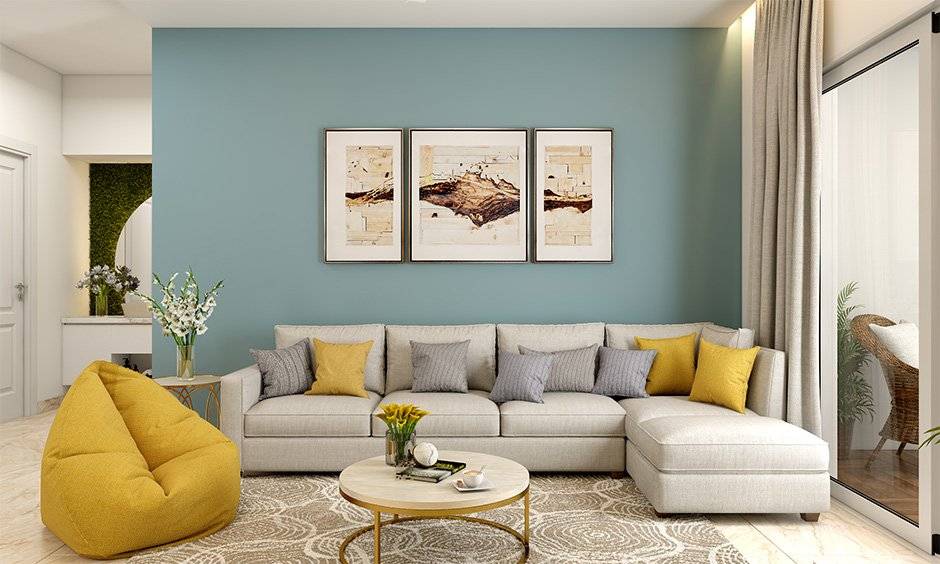
The Different Color Schemes in Interior Design
The color scheme you choose for an interior design plan helps create an ambiance and shape the mood. An interior designer helps you to choose a color scheme that suits your personality, and they can account for any sensory needs. You receive a tailored solution that complements the other elements in your room, such as furniture, lighting, and decor. Here are some color scheme options in interior design:
Choosing Monochromatic Palettes
A monochromatic scheme uses different shades and tints of a single color. This provides an efficient way to create a unified look throughout your home, while still incorporating color. This scheme is suitable for residential use, as it provides a sense of calmness and elegance. For commercial spaces like offices or retail stores, you may use a monochromatic color scheme to create a professional look.
In your living room, choose a deep navy blue for the walls, then add lighter shades of blue for the furniture and decor. For the bedroom, use a light blue on the walls and a darker shade for the bedding and curtains. Monochromatic schemes also support decor that functions as key accents. Blue-forward rooms could be brightened with silver fixtures or made moody with dark wood furniture.
Using Analogous Schemes
An interior designer may use an analogous scheme, which combines two or three colors that are adjacent on the color wheel. Incorporating analogous colors works well if you want a harmonious, cohesive look. It provides a sense of balance, and it adds depth and interest to your space.
The colors in this scheme are similar, creating a smooth transition of hues throughout the room. You may combine shades of blue and green or purple and red for a visually appealing effect. The key is to choose colors with similar intensity or saturation to maintain balance and flow. Here are some benefits of using analogous colors in interior design:
- An interior designer can apply it to any style or theme, whether modern, traditional, or eclectic.
- It allows you to incorporate various textures and patterns without overwhelming the design.
- It creates a calming, comfortable atmosphere by avoiding harsh contrasts and abrupt color changes.
Selecting Neutral Colors
Neutral color schemes provide a plain canvas on which you can add color with accessories such as pillows, curtains, or paintings. This allows you to transform the appearance of your space frequently without needing to repaint. An interior designer selects neutral base colors that complement your lighting, flooring, and architectural features while avoiding tones that feel flat. They may layer multiple neutral shades and textures, such as warm whites, soft grays, or beige, with wood and fabric finishes to create visual interest. By balancing undertones and contrast, a designer makes the space feel cohesive and intentionally designed rather than plain.
Work With an Interior Designer
Hiring a professional interior designer can enhance your home decor. A designer helps bring your creative vision to life or introduces you to new styles and ideas. Contact an interior designer today to create a home that reflects your personal style and meets your functional needs.


