



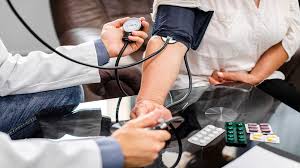
The Importance of Regular Monitoring for Hypertension
Hypertension is a condition that requires careful management, and regular monitoring is a key component of this process. This condition can affect your long-term health. Understanding its causes, symptoms, and the benefits of tracking your blood pressure helps you maintain your well-being. Here is more information on hypertension and the role of consistent monitoring:
What Is Hypertension?
Hypertension is a medical condition in which the force of blood against your arterial walls is consistently too high, which can lead to health problems over time. Blood pressure is measured in millimeters of mercury (mmHg) and is recorded as two numbers: systolic pressure (the top number) over diastolic pressure (the bottom number). A diagnosis of hypertension is typically made when readings are persistently at or above 130/80 mmHg, although guidelines can vary.
This sustained pressure can damage blood vessels and organs throughout the body, so it is a condition that requires attention. Without proper management, hypertension increases the risk for other serious medical issues, including heart disease and stroke. The condition is often called the “silent killer” because it can exist without noticeable symptoms for years.
What Causes It?
Family history, age, and genetics contribute to primary hypertension, whereas an underlying condition causes secondary hypertension. Several risk factors can lead to high blood pressure, and many of these are related to daily habits. These factors include a diet high in sodium, a lack of physical activity, excessive alcohol consumption, and smoking. Other contributing factors include chronic conditions such as kidney disease or diabetes.
What Are the Symptoms?
Most people with hypertension experience no symptoms, even if their blood pressure readings are dangerously high, which makes it difficult to detect without regular checks. For this reason, it is frequently identified during routine medical examinations. When symptoms do occur, they can be subtle and may be mistaken for other health issues.
In cases where blood pressure is extremely high, some individuals may experience headaches, shortness of breath, or nosebleeds. These symptoms are not specific to hypertension and generally do not occur until the condition has reached a severe or life-threatening stage. Consulting a specialist helps with diagnosis and treatment.
What Does Regular Monitoring Involve?
Regular monitoring of hypertension involves tracking your blood pressure readings over time, which is done both at a doctor’s office and at home. Home monitoring allows you to check your blood pressure in a familiar environment. This process requires a home blood pressure monitor, and you should follow your healthcare provider’s instructions.
To get accurate readings, be consistent with your measurement routine, as this provides a clearer picture of your blood pressure trends. You may be advised to take readings at the same time each day, such as in the morning and evening. Keeping a log of your measurements allows you and your doctor to see how your blood pressure responds to treatment.
What Are the Benefits?
Consistent monitoring offers several benefits for managing hypertension, and it provides valuable information for both you and your healthcare provider. Tracking your blood pressure helps confirm a diagnosis and allows your doctor to see if your treatment plan is working effectively. This data can guide adjustments to medication or lifestyle recommendations. Early detection of any changes in your blood pressure also allows for timely intervention.
Seek Professional Guidance Today
Managing hypertension is a long-term commitment, and regular monitoring is part of that process. If you have been diagnosed with hypertension or have questions about your blood pressure, consult with a medical professional. They can provide personalized advice, help you establish a monitoring routine, and develop a management plan tailored to your specific needs.


