



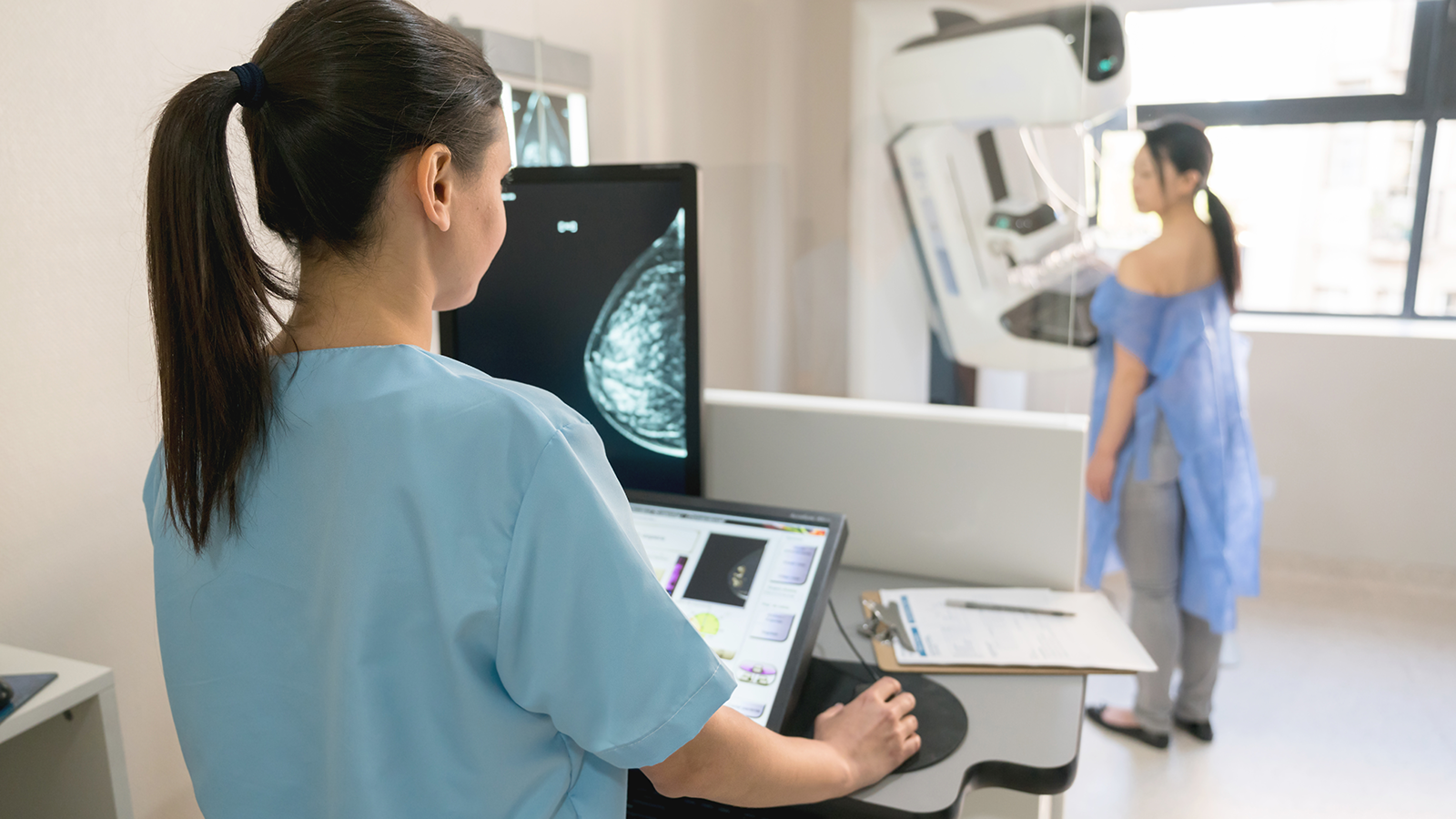
The Role of Mammograms in Women’s Health
Since breast health affects your health, medical professionals typically advise women to undergo regular X-ray examinations, such as mammograms. These specialized medical images reveal the complex internal structure and density of the breast tissue. The technologist compresses the breast firmly, and the machine captures high-resolution pictures for review by specialists. Here is more information about the role of mammograms in women’s health:
Detecting Cancer Early
Identifying malignant cells at an early stage may lead to a better medical prognosis. Doctors treat small tumors effectively, but larger masses require more aggressive and systemic medical interventions. Because early cancer spreads minimally, catching it now prevents extensive damage to the body later on.
While physical exams are effective, imaging technology detects abnormalities long before they become palpable lumps. This technological advantage may give patients a significant head start on necessary medical therapies or surgical procedures. You cannot feel microscopic changes, yet the mammogram machine identifies them with high precision and clarity. The equipment spots danger signs that manual exams simply miss during routine check-ups.
Regular screenings build a medical history, and this allows doctors to track subtle changes over time. Radiologists compare current images against previous scans to identify new developments in the breast tissue. When a new mass appears on the scan, the medical team typically investigates it immediately. This comparative process helps physicians distinguish between normal density and concerning growth patterns requiring attention.
Screening Asymptomatic Women
Many dangerous breast cancers develop rapidly without triggering any obvious physical warning signs or persistent pain. Because silence defines the early stages, waiting for symptoms puts a woman at significant risk. You might feel completely healthy, but a mammogram detects the silent threats hiding inside the tissue. Screening reveals the truth when the body provides no external clues regarding its condition, including:
- Absence of palpable lumps
- Absence of visible skin distortion
- Lack of unusual discharge
Finding Invisible Changes
Before a tumor forms a mass, tiny mineral deposits known as calcifications may accumulate within ducts. These deposits appear as white specks, and they indicate activity within the breast’s internal structures. Certain patterns of calcification suggest the presence of early-stage cancer requiring an immediate biopsy procedure. Detecting these microcalcifications remains a primary function of modern mammography units during routine appointments.
Specialists scrutinize the shape and arrangement of these small microcalcifications on the digital image screen. Benign spots look scattered, but tight clusters often signal a malignancy needing further investigation. Since the naked eye misses these, only high-resolution imaging reveals the potential danger within the breast. This level of detail enables doctors to act before invasive cancer develops fully.
Guiding Treatment Plans
Diagnostic images reveal the tumor’s location, and this information guides the surgeon’s operational strategy significantly. If the cancer has spread to lymph nodes, the recommended treatment plan changes to address it. Accurate imaging data helps the oncology team preserve as much healthy breast tissue as possible. Because precision matters, surgeons rely heavily on these maps to perform effective procedures.
Schedule a Mammogram Today
Taking time for this standard medical screening prioritizes your long-term physical well-being and future health. Because appointments may fill up quickly, contact your local healthcare provider without delay. Call a clinic and secure a time slot for your annual breast health exam.


