



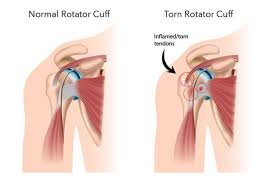
Understanding the Recovery Process After a Rotator Cuff Tear
Shoulder injuries can restrict reaching, lifting, or sleeping on one side, and knee pain makes walking or climbing stairs difficult. Joint discomfort in these key areas disrupts routines and may cause frustration. While the shoulder and knee serve different motions, injuries to either can interfere with work, hobbies, and daily activities. Here is more information about the recovery process after a rotator cuff tear:
Activity Modification
Rest gives the torn tissues a break, and it supports natural healing. When too much strain is placed on a healing rotator cuff, the injury can worsen. Avoiding heavy lifting and overhead reaching protects the shoulder and helps the tendon recover. Adjusting your daily routine is a necessary step after injury or surgery.
Standard restrictions include:
- Reaching behind your back
- Sleeping on the side that is injured
- Lifting objects quickly or above your head
- Pushing heavy doors or furniture
Simple movement adjustments may help you avoid injury, and they might lower the risk of further aggravation. This may include additional issues such as knee pain. While these restrictions may seem inconvenient, they help prevent repeated stress on sensitive tissue. Following your provider’s activity guidance helps support a straightforward recovery.
Physical Therapy
Therapy plays a key role in restoring the shoulder’s motion after an injury. While you might feel discomfort at first, movement helps prevent stiffness and lingering joint tightness. Strengthening exercises stabilize the joint, and flexibility training with specific stretches improves mobility. Your therapist will show you which movements to practice and monitor your progress step by step.
Muscles around the shoulder blade, including the scapula and rotator cuff, need special attention. If the scapula moves poorly, the shoulder joint may become more painful and unstable over time. Strengthening your upper back leads to better support, and it may reduce the risk of additional issues. Targeting muscles like the rhomboids and trapezius is often part of the process.
Therapists use resistance bands and light weights to build muscle gradually. As strength returns, functional activities like reaching or lifting are added to your routine. The pace of recovery depends on your body’s healing rate, and sticking with your exercise program will support lasting improvement and comfort.
PRP and Steroids
Doctors sometimes use injections to control inflammation or severe pain in the shoulder. Steroid shots are a common option, offering rapid relief for swelling and discomfort. While these injections do not repair the tendon directly, they allow you to participate in therapy with less discomfort. Platelet-rich plasma (PRP) injections, in contrast, use your own blood to boost tissue healing at the injury site.
A nurse or doctor will draw a small blood sample, which is then spun in a machine to separate the platelets. These platelets, full of natural growth factors, are injected into the affected area. The goal is to promote the body’s healing response in a targeted way. Some people need more than one PRP treatment for the best results.
Surgery Options
If conservative treatments do not work, surgery may become the next step for persistent tears. Surgeons typically select an arthroscopic technique, making small incisions and using a camera to repair the tendon. The surgeon then reattaches the tendon to the bone, restoring structure for healing.
Treat Shoulder and Knee Pain
Ignoring symptoms may lead to recurring pain or worsening joint problems down the road. By getting prompt medical attention, you can avoid permanent limitations and unnecessary discomfort. Take the first step and schedule your shoulder evaluation with an orthopedic surgeon today.


