



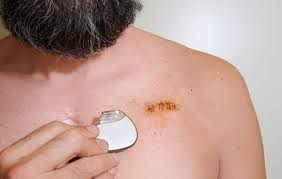
What Is a Pacemaker?
If you or a loved one has been diagnosed with a heart rhythm problem, you may have questions about what comes next. One common solution your doctor might discuss is a pacemaker. Understanding what this device is and how it works can help you feel more prepared and confident in your healthcare. Though small, a pacemaker plays a big role in improving the quality of life for many people with heart conditions.
What Does a Pacemaker Do?
A pacemaker monitors the heart’s electrical system and facilitates a steady heartbeat. When the heart beats too slowly or pauses, the device sends an electrical signal to stimulate the heart muscle to contract, maintaining proper blood flow. Modern pacemakers can also adjust the heart rate during physical activity by tracking factors like blood temperature and breathing rate, helping patients stay energized during exercise or daily tasks.
The device has two main components: the pulse generator and the leads. The pulse generator contains the battery and a small computer that regulates the heartbeat. Leads are thin wires that deliver electrical signals from the generator to the heart muscle and send information back to the device. Doctors review the pacemaker’s stored data during check-ups to make adjustments if needed.
How Is It Implanted?
The implantation procedure typically takes place in a hospital or specialized cardiac center. Patients usually receive a sedative to help them relax but remain awake during the process. The surgeon numbs the area near the collarbone with local anesthesia before making a small incision.
Next, the doctor guides the leads through a vein into the heart using X-ray images for accuracy. Once the leads sit in the correct position, the surgeon connects them to the pulse generator. The doctor places the generator under the skin and closes the incision with stitches or surgical glue.
Most patients stay in the hospital overnight for monitoring to check the device’s function. The recovery period is generally short, though you will need to limit arm movement on the side of the implant for a few weeks. The medical team provides specific instructions on caring for the incision site and when to resume normal activities.
What Conditions Require One?
Doctors recommend pacemakers primarily when the heart beats too slowly or irregularly. This slow heartbeat can prevent the brain and body from getting enough oxygen, causing fatigue or fainting. Several specific heart issues might lead a specialist to suggest this device.
Common conditions include:
- Bradycardia
- Heart block
- Sick sinus syndrome
- Atrial fibrillation
A cardiologist evaluates symptoms and test results before recommending a pacemaker. They look at electrocardiograms and other monitoring data to determine if the heart’s electrical system needs support. Sometimes, medications can manage these conditions, but when drugs fail or cause side effects, a pacemaker offers a more permanent solution.
How Does Life Change?
Living with a pacemaker involves some adjustments, but most people return to their regular routines quickly. Modern devices are robust and allow recipients to enjoy active lifestyles. You need to be aware of certain environmental factors that might interfere with the device’s signals.
Here are common adjustments:
- Electronics usage: Keep cell phones at least six inches away from the pacemaker site.
- Security screenings: Inform security staff at airports about your device, as metal detectors might trigger an alarm.
- Medical procedures: Tell all healthcare providers, including dentists, that you have a pacemaker before undergoing tests like MRI scans.
- Physical activity: Engage in exercise, but avoid contact sports that could damage the implant site.
Regular follow-up appointments become part of your routine to check the battery and device function. These checks often happen remotely using a monitor you keep at home, which sends data directly to your doctor’s office. This technology reduces the need for frequent office visits while keeping your care team informed about your heart health.
Consult a Specialist
If you experience symptoms like dizziness, unexplained fatigue, or fainting, speak with a healthcare provider about your heart health. A cardiologist can perform necessary tests to determine if a rhythm disorder exists and discuss potential treatments. Early detection and management of heart rhythm issues help maintain a good quality of life. Reach out to a medical professional today to schedule an evaluation and get the answers you need.


