



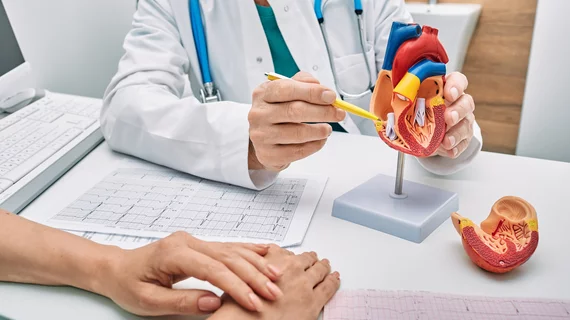
When to Seek Help from a Cardiologist
Varicose veins are enlarged and twisted veins that are visible under the skin. These veins most often appear in the legs, and their presence may indicate problems in blood flow. Some people consider them only a cosmetic concern. However, varicose veins may be linked to underlying medical conditions. It is important to understand the causes and complications. This article describes the causes, symptoms to look out for, when to seek medical evaluation, and options for treatment.
Understanding Varicose Veins
Veins carry blood to the heart. To move blood against gravity, leg veins have valves that keep blood flowing in a single direction. If a valve weakens, blood can flow backward and collect in the vein, and this can cause the veins to become larger and twisted. The result is a varicose vein. This is also called venous insufficiency, which involves pooling of blood due to valve malfunction.
Some people have a higher risk of varicose veins. Age increases the chance, and family history can be a factor. Obesity puts added pressure on the veins, and pregnancy also changes the flow and volume of blood. Sitting or standing for long periods can increase the risk because muscles do not help squeeze blood toward the heart.
Varicose veins are bulging, dark purple or blue veins that rise above the skin’s surface. Some people do not have pain, but others may experience discomfort. Symptoms can include leg heaviness or aching, swelling at the ankle or foot by the end of the day, itching around veins, a burning or throbbing feeling, and muscle cramping. Sometimes, symptoms get worse after standing or sitting for long periods. If you have ongoing discomfort along with visible veins, an evaluation may be useful. Symptoms may affect your ability to perform daily activities, and they may point to more advanced blood flow problems.
Understanding Risks
Not all varicose veins cause complications, but they can lead to problems over time. When blood continues to pool, pressure builds in the veins of the lower leg. Increased pressure may cause skin discoloration near the ankles, thickened or hardened skin, and rashes. Ulcers can develop around varicose veins, and these are wounds that heal slowly. Leg ulcers may become larger because circulation is reduced. Swelling and leg pain that do not go away can be signs of a clot, which may need prompt treatment. Rarely, varicose veins close to the skin can burst and cause minor bleeding, so medical help may be required.
Understanding When to Find Help
The heart and veins work together to circulate blood, and a cardiologist is trained in disorders of this system. Vein problems can affect blood return to the heart, so a cardiologist can assess the entire network. If self-care measures, such as elevating the legs, wearing compression stockings, and exercising, do not help symptoms, a consultation should be considered.
A cardiologist may recommend a diagnostic ultrasound to examine the veins. This test shows how blood moves in the veins and can locate malfunctioning valves or blockages. Minimally invasive treatments are available when needed. These procedures include radiofrequency ablation, which closes the affected vein using heat, and the use of medical adhesives, which seal the vein so that blood moves through healthier pathways. Treatments are usually done with local anesthesia, and most patients return to daily activities quickly.
Find a Clinic
Varicose veins are visible and sometimes uncomfortable, but they may also signal problems with blood flow. If symptoms continue or legs develop swelling or wounds, seek a medical evaluation. Treatment starts with compression and lifestyle changes, but can include minimally invasive procedures if necessary. Consult a qualified healthcare provider for assessment and management options.


