



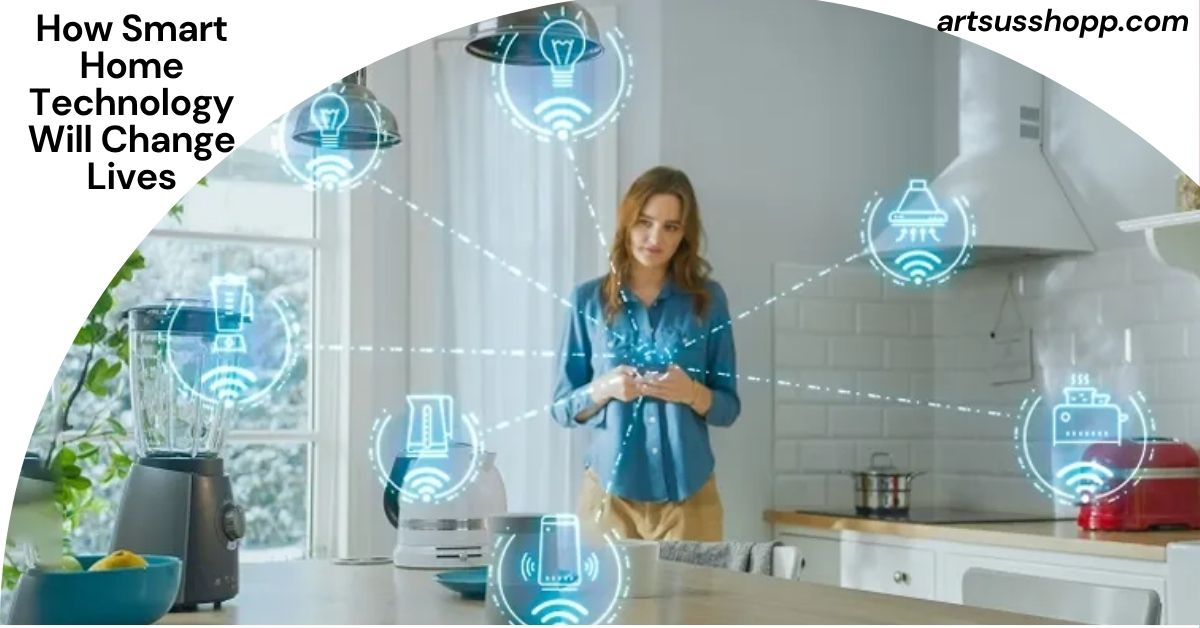
How Smart Home Technology Will Change Lives: Future of Smart Living
The way people live at home is changing faster than ever before. Smart devices are no longer luxury gadgets for technology lovers. Today, millions of families in the United States use smart home products every day to improve comfort, security, health, energy savings, and convenience. From voice assistants and smart thermostats to AI-powered cameras and connected kitchen appliances, modern homes are becoming smarter, safer, and more efficient.
The future of connected living is already here, and understanding how smart home technology will change lives is important for homeowners, renters, families, businesses, and even city planners. Smart homes are creating a new lifestyle where devices work together automatically to save time, reduce stress, and improve daily routines.
As artificial intelligence, machine learning, and Internet of Things technology continue to grow, smart homes are becoming more intelligent and easier to use. Devices can now learn user habits, predict needs, and automate tasks without constant human input. This transformation is expected to reshape modern living over the next decade.
This comprehensive guide explains how smart home technology will change lives, what trends are shaping the future, the advantages and challenges of smart living, and why connected homes are becoming essential for modern society.
What Is Smart Home Technology?
Smart home technology refers to internet-connected devices that automate and control household systems. These devices communicate with each other and can often be managed using smartphones, tablets, voice assistants, or automation systems.
Common smart home devices include:
- Smart thermostats
- Smart lighting systems
- Smart locks
- Smart security cameras
- Smart speakers
- Smart refrigerators
- Smart washing machines
- Smart doorbells
- Smart TVs
- Smart air purifiers
- Smart plugs
- Smart blinds
- Robot vacuum cleaners
These devices work together through wireless networks like Wi-Fi, Bluetooth, Zigbee, or Matter protocols.
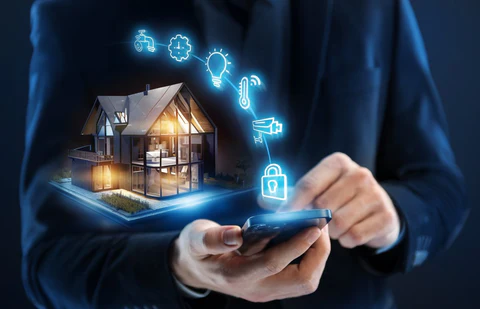
The goal of smart homes is simple: make life easier, safer, healthier, and more energy-efficient.
How Smart Home Technology Will Change Lives Through Automation
One of the biggest reasons smart homes are growing rapidly is automation. Automation allows devices to perform actions automatically based on schedules, habits, sensors, or user preferences.
For example:
- Lights turn on automatically when someone enters a room
- Thermostats adjust temperatures based on occupancy
- Coffee makers start brewing before waking up
- Doors lock automatically at night
- Curtains close during hot afternoons
- Security systems activate when the family leaves home
Automation reduces repetitive tasks and saves time every day.
Smarter Daily Routines
Smart home systems learn personal habits over time. If someone usually wakes up at 7 AM, the system may gradually automate morning tasks such as:
- Turning on bedroom lights
- Starting music
- Adjusting room temperature
- Reading weather updates
- Brewing coffee
This creates a smooth and stress-free morning experience.
Reduced Mental Load
Modern life can feel overwhelming. Many people constantly think about unfinished tasks such as locking doors, adjusting thermostats, or turning off lights.
Smart technology removes much of this mental burden. Notifications and automation reduce the need to remember small tasks, helping users feel more relaxed and organized.
This is one major example of how smart home technology will change lives in a practical way.
How Smart Home Technology Will Change Lives With Better Security
Home security is one of the biggest reasons Americans invest in smart devices. Traditional security systems are evolving into intelligent protection networks.
Smart Cameras and Real-Time Monitoring
Modern security cameras provide:
- Live video streaming
- Motion detection alerts
- Facial recognition
- Night vision
- Cloud storage
- AI-powered threat detection
Homeowners can monitor their property from anywhere using smartphones.
Smart Doorbells
Video doorbells allow users to:
- See visitors remotely
- Talk through two-way audio
- Detect package deliveries
- Prevent porch theft
- Record suspicious activity
This technology improves convenience and safety.
Smart Locks
Smart locks eliminate traditional keys. Users can unlock doors through:
- Smartphones
- Voice commands
- Fingerprints
- PIN codes
- Facial recognition
Temporary access can also be given to guests, cleaners, or delivery workers.
Emergency Detection
Smart homes can now detect emergencies such as:
- Fire
- Gas leaks
- Water leaks
- Carbon monoxide
- Break-ins
Instant alerts allow faster responses and may reduce property damage and injuries.
How Smart Home Technology Will Change Lives Through Energy Efficiency
Energy efficiency is becoming a major global priority. Smart homes help reduce electricity waste while lowering utility bills.
Smart Thermostats
Smart thermostats are among the most popular smart devices in the United States. These systems learn user habits and optimize heating and cooling automatically.
Benefits include:
- Lower energy bills
- Reduced environmental impact
- Improved indoor comfort
- Automatic scheduling
- Remote temperature control
Heating and cooling account for a large percentage of household energy use, so smarter climate control can create major savings.
Smart Lighting Systems
Smart lights use less electricity and provide advanced controls such as:
- Motion activation
- Scheduling
- Dimming
- Voice commands
- Daylight adjustment
Lights automatically turn off when rooms are empty, reducing wasted energy.
Also Read: How to Get Technology Points Palworld: The Ultimate Guide for Fast Progress
Smart Appliances
Modern appliances can optimize energy use based on electricity demand and household behavior.
Examples include:
- Washing machines running during low-cost energy hours
- Refrigerators monitoring efficiency
- Smart ovens reducing cooking waste
- Dishwashers optimizing water usage
This explains another important way how smart home technology will change lives by supporting sustainability and reducing monthly expenses.
Health and Wellness Benefits of Smart Homes
Smart homes are increasingly focused on personal health and wellness.
Better Air Quality
Indoor air quality affects physical health, allergies, and sleep quality.
Smart air purifiers and air quality monitors can detect:
- Dust
- Smoke
- Allergens
- Humidity
- Carbon dioxide levels
These systems automatically adjust air purification to create healthier living spaces.
Improved Sleep
Smart bedrooms are becoming more advanced.
Features may include:
- Automated lighting for natural sleep cycles
- Temperature control for better rest
- Noise management
- Sleep tracking sensors
- Smart mattresses
Better sleep can improve mental health, focus, and overall wellness.
Elderly Care and Independent Living
One of the most powerful examples of how smart home technology will change lives involves elderly care.
Smart systems can help older adults live independently for longer by offering:
- Fall detection
- Medication reminders
- Emergency alerts
- Voice-controlled devices
- Health monitoring
- Remote family check-ins
This technology improves both safety and quality of life for aging populations.
Support for People With Disabilities
Smart homes increase accessibility for individuals with disabilities.
Voice assistants and automation can help control:
- Doors
- Lights
- TVs
- Appliances
- Temperature
- Security systems
These features promote independence and inclusion.
The Role of Artificial Intelligence in Smart Homes
Artificial intelligence is transforming ordinary smart devices into intelligent systems that can predict needs and adapt automatically.
Predictive Learning
AI systems learn behavior patterns over time.
For example:
- Thermostats learn preferred temperatures
- Security systems recognize familiar faces
- Voice assistants understand speech patterns
- Lighting systems adapt to daily habits
The more users interact with devices, the smarter the systems become.
Personalized Experiences
AI allows homes to create personalized environments for different family members.
Examples include:
- Customized lighting preferences
- Individual music playlists
- Personalized room temperatures
- Smart entertainment recommendations
This personalization improves comfort and convenience.
AI-Powered Home Management
Future smart homes may act like digital assistants that manage entire households.
AI systems could:
- Schedule maintenance
- Order groceries automatically
- Monitor appliance performance
- Detect unusual behavior
- Reduce energy waste
This level of automation represents a major shift in modern living.
How Smart Home Technology Will Change Lives in Family Living
Families are experiencing significant lifestyle changes because of connected homes.
Better Communication
Smart displays and voice assistants improve communication between family members.
Features include:
- Shared calendars
- Voice messages
- Video calls
- Task reminders
- Grocery lists
Busy households become more organized.
Safer Homes for Children
Parents use smart technology to improve child safety.
Examples include:
- Baby monitors
- Smart locks
- Camera monitoring
- Appliance controls
- Internet filtering
Parents gain more peace of mind.
Entertainment and Education
Smart homes also transform entertainment and learning.
Children and adults can access:
- Interactive learning systems
- Smart TVs
- Voice-based education
- Streaming services
- Home theaters
Technology creates richer learning experiences inside the home.
Smart Kitchens and the Future of Food Preparation
The kitchen is becoming one of the smartest areas of the home.
Smart Refrigerators
Modern refrigerators can:
- Track food expiration dates
- Suggest recipes
- Create shopping lists
- Monitor inventory
- Connect to grocery apps
This reduces food waste and improves meal planning.
Smart Cooking Devices
Connected cooking devices can automate meal preparation.
Examples include:
- Smart ovens
- AI cooking assistants
- Precision cookers
- Smart coffee machines
Users receive cooking guidance, notifications, and remote controls.
Healthier Eating Habits
Smart kitchens can encourage healthier lifestyles through:
- Nutrition tracking
- Portion monitoring
- Meal recommendations
- Calorie analysis
This is another meaningful example of how smart home technology will change lives in everyday routines.
Smart Homes and Remote Work
Remote work continues to grow across the United States, and smart homes support productivity.
Smarter Home Offices
Smart office features include:
- Automated lighting
- Noise control
- Air quality management
- Smart desks
- Video conference optimization
These tools create more comfortable work environments.
Increased Productivity
Automation reduces distractions and improves focus.
Examples include:
- Scheduled lighting changes
- Voice-controlled reminders
- Automated routines
- Smart scheduling systems
Smart homes are becoming important for work-life balance.
Environmental Impact of Smart Homes
Sustainability is a major global concern, and smart homes support greener living.
Reduced Energy Consumption
Connected systems reduce unnecessary energy use through:
- Intelligent scheduling
- Occupancy sensors
- Efficient climate control
- Automated power management
This lowers carbon footprints.
Water Conservation
Smart water systems can:
- Detect leaks
- Monitor water usage
- Optimize irrigation
- Prevent waste
Water conservation is becoming increasingly important in many parts of the United States.
Integration With Renewable Energy
Future smart homes may fully integrate with:
- Solar panels
- Battery storage systems
- Electric vehicles
- Smart grids
Homes could eventually generate, store, and manage their own energy more efficiently.
Also Read: How Exactly Does Blockchain Technology Work in Simple Terms? A Beginner-Friendly Guide for 2026
Privacy and Security Challenges
Although smart homes offer many advantages, there are important concerns.
Data Privacy
Smart devices collect large amounts of personal information.
This may include:
- Voice recordings
- Daily routines
- Location data
- Usage patterns
Consumers must understand how companies store and use their data.
Cybersecurity Risks
Connected devices may become targets for hackers if not properly secured.
Homeowners should:
- Use strong passwords
- Enable two-factor authentication
- Update device software regularly
- Secure Wi-Fi networks
Security awareness is essential for safe smart living.
Dependence on Technology
As homes become more automated, people may rely heavily on technology for daily tasks.
System failures or internet outages could temporarily disrupt routines.
Balancing convenience with reliability remains important.
The Future of Smart Home Technology
The smart home market continues to evolve rapidly.
Matter Standard and Better Compatibility
One major improvement is the Matter smart home standard. Matter allows devices from different brands to work together more smoothly.
This reduces compatibility problems and improves user experience.
Voice Technology Evolution
Voice assistants are becoming more natural and intelligent.
Future systems may better understand:
- Emotions
- Context
- Conversations
- Complex commands
Voice interaction may eventually become the primary way people control homes.
AI and Predictive Automation
Future smart homes may predict needs before users even ask.
Examples could include:
- Automatically ordering groceries
- Adjusting environments based on mood
- Managing energy during peak hours
- Detecting health concerns early
This next generation of automation will deeply influence daily life.
Smart Cities and Connected Communities
Homes may eventually connect directly with smart city infrastructure.
Possible integrations include:
- Traffic management
- Utility systems
- Emergency services
- Community energy grids
Connected living may extend beyond individual homes into entire neighborhoods.
Economic Impact of Smart Homes
The growth of smart home technology creates major economic opportunities.
Increased Property Value
Homes with advanced smart features may become more attractive to buyers.
Popular features include:
- Smart security
- Energy management
- Voice automation
- Smart appliances
Real estate markets increasingly recognize smart homes as premium properties.
Growth of Technology Jobs
The smart home industry supports jobs in:
- Software development
- AI engineering
- Cybersecurity
- Device manufacturing
- Installation services
This growing sector contributes to economic growth.
Lower Household Costs
Although smart devices may require upfront investment, long-term savings can offset costs through:
- Lower energy bills
- Reduced maintenance
- Water savings
- Insurance discounts
This financial benefit is another reason how smart home technology will change lives over time.
Psychological and Lifestyle Changes
Smart homes are not only changing technology. They are also changing human behavior and lifestyles.
More Time for Important Activities
Automation reduces time spent on repetitive household tasks.
People can focus more on:
- Family
- Hobbies
- Health
- Education
- Relaxation
This may improve overall life satisfaction.
Reduced Stress
Smart reminders, automation, and monitoring systems reduce daily stress.
Users feel more organized and in control of their environments.
New Expectations for Living
Younger generations increasingly expect homes to include smart features.
In the future, connected technology may become as common as electricity or internet access.
How Businesses Are Adopting Smart Home Technology
Businesses are also benefiting from smart home trends.
Insurance Companies
Insurance providers may offer discounts for smart safety systems such as:
- Leak detectors
- Smoke alarms
- Security cameras
These systems reduce risks and claims.
Healthcare Providers
Healthcare companies are using smart homes for remote patient monitoring and elderly care.
This can improve healthcare access while reducing hospital visits.
Builders and Real Estate Developers
New construction projects increasingly include smart features from the beginning.
Builders understand that connected homes attract modern buyers.
sipider.com How Smart Home Technology Will Change Lives
Many online discussions now focus on sipider.com how smart home technology will change lives because consumers want reliable and updated information about smart living trends.
Readers searching for how smart home technology will change lives sipider com are often looking for practical examples, future predictions, and real-world benefits of connected homes.
The growing popularity of these searches shows increasing public interest in smart home innovation, energy savings, home automation, and AI-powered living environments.
Why Smart Homes Are Becoming Mainstream
Several major trends are accelerating smart home adoption:
- Faster internet connections
- Affordable smart devices
- AI advancements
- Voice assistant popularity
- Energy efficiency awareness
- Remote work growth
- Increased security concerns
As technology becomes simpler and cheaper, more households will adopt connected systems.
Common Myths About Smart Home Technology
Smart Homes Are Only for Rich People
This is no longer true. Many affordable smart devices now cost less than traditional appliances.
Smart Homes Are Too Complicated
Modern systems are becoming easier to install and use. Many devices work through simple smartphone apps.
Smart Devices Always Listen
Most smart assistants activate only after hearing wake words, though privacy settings remain important.
Smart Homes Waste Energy
In reality, smart systems often reduce energy waste significantly through automation and efficiency improvements.
Final Thoughts
Understanding how smart home technology will change lives helps explain why connected living is becoming one of the biggest technology shifts of the modern era.
Smart homes are creating safer, healthier, more efficient, and more comfortable lifestyles. From energy savings and AI automation to elderly care and environmental sustainability, smart technology is transforming daily life in ways that were once considered science fiction.
The future of smart homes will likely include deeper AI integration, predictive automation, renewable energy systems, and stronger connections between homes and smart cities.
While challenges such as privacy and cybersecurity still exist, the benefits continue to drive rapid adoption across the United States and around the world.
As technology advances, smart homes will become more intelligent, accessible, and essential for modern living. The question is no longer whether smart homes will become common. The real question is how quickly society will adapt to this new era of connected living.
FAQs About How Smart Home Technology Will Change Lives
What is the biggest advantage of smart home technology?
The biggest advantage is convenience through automation. Smart homes save time, improve comfort, and reduce stress by automating everyday tasks.
Can smart homes save money?
Yes. Smart thermostats, lighting systems, and appliances can significantly lower energy and water bills over time.
Are smart homes safe from hackers?
Smart homes can be secure if users follow cybersecurity best practices such as strong passwords, software updates, and secure Wi-Fi networks.
Will smart homes replace human control?
No. Smart homes are designed to assist people, not replace them. Users can still manually control devices when needed.
Is smart home technology good for elderly people?
Yes. Smart homes support independent living through fall detection, health monitoring, voice controls, and emergency alerts.
How will AI improve smart homes in the future?
AI will make homes more predictive and personalized. Systems may automatically adjust lighting, temperature, security, and schedules based on user behavior.
Do smart homes increase property value?
Many buyers view smart features as attractive upgrades, which may increase home value and market appeal.
What are the disadvantages of smart home technology?
Possible disadvantages include privacy concerns, internet dependence, cybersecurity risks, and upfront installation costs.
How smart home technology will change lives in the next 10 years?
Over the next decade, smart homes will likely become more automated, energy-efficient, AI-powered, and integrated with healthcare, transportation, and smart city systems.
Is smart home technology worth it?
For many households, smart home technology is worth the investment because of the convenience, security, efficiency, and long-term savings it provides.


